
The Ball That Slipped From Shafali's Hands, and a Moral Ledger From One Over in Raipur
**মূল উত্তর:** শেফালি বর্মাকে আইসিসি আচরণবিধির ধারা ২.২ (সরঞ্জাম ও মাঠের ফিটিংসের প্রতি অসদ্ব্যবহার) লঙ্ঘনের জন্য সরকারি তিরস্কার ও এক ডিমেরিট পয়েন্ট দেওয়া হয়েছে। ঘটনাটি ১৮ অক্টোবর ২০২৬-এ রায়পুরে ভারত-জিম্বাবুয়ে দ্বিতীয় মহিলা টি-টোয়েন্টির ১২তম ওভারে ঘটে। শেফালি দোষ স্বীকার করেন, শুনানির প্রয়োজন হয়নি। **মূল তথ্য:** - অভিযোগ লেভেল-১ স্তরের; শাস্তি সরকারি তিরস্কার ও এক ডিমেরিট পয়েন্ট, শুনানি ছাড়াই গৃহীত। - ম্যাচ রেফারি জিএস লক্ষ্মী শাস্তি অনুমোদন করেন; তিনি ভারতের সাবেক অধিনায়ক। - ২৪ মাসে এটি শেফালির প্রথম লঙ্ঘন; চার পয়েন্ট হলে সাসপেনশন পয়েন্ট Active হয়। - ওই ম্যাচে শেফালি ২৫ বলে ৫৫ রান অপরাজিত (স্ট্রাইক রেট ২২০); ভারত ৯ ওভারে ১০৩ রান তুলে সিরিজ ২-০ করে। - ক্যাচ ফসকে যাওয়ার পর বল তাঁর চোয়ালে লাগে; তিনি Batting চালিয়ে যান এবং মাঠ ছাড়েননি। **সূত্র:** আইসিসি ম্যাচ রেফারি রিপোর্ট ও ম্যাচ রিপোর্ট, ১৮ অক্টোবর ২০২৬ | Cross-checked: cricsultan.com **সম্পর্কিত প্রশ্নোত্তর:** প্রশ্ন: শেফালি বর্মার কি নিষেধাজ্ঞার ঝুঁকি আছে? উত্তর: নেই — ২৪ মাসে এটি তাঁর প্রথম লঙ্ঘন এবং মাত্র এক ডিমেরিট পয়েন্ট জমা হয়েছে, সাসপেনশনের সীমা চার পয়েন্ট। প্রশ্ন: তৃতীয় টি-টোয়েন্টি কবে এবং কোথায়? উত্তর: ২০ অক্টোবর ২০২৬, একই ভেন্যু রায়পুর; সিরিজ ইতিমধ্যে ভারতের দখলে। প্রশ্ন: চোয়ালে আঘাতের পর তাঁর শারীরিক Status কী? উত্তর: তিনি ওই Inningsে অপরাজিত ৫৫ রান করেন এবং মাঠ ছাড়েননি, তবে Next ম্যাচে সতর্কতামূলক বিশ্রামের সম্ভাবনা রয়েছে।
The 12th over in Raipur. A Zimbabwe batter lobbed the ball towards mid-off. Shafali Verma was waiting underneath it — India's T20I vice-captain, the most recognisable face in the XI. The ball touched her hands and slipped through them. The catch went down.
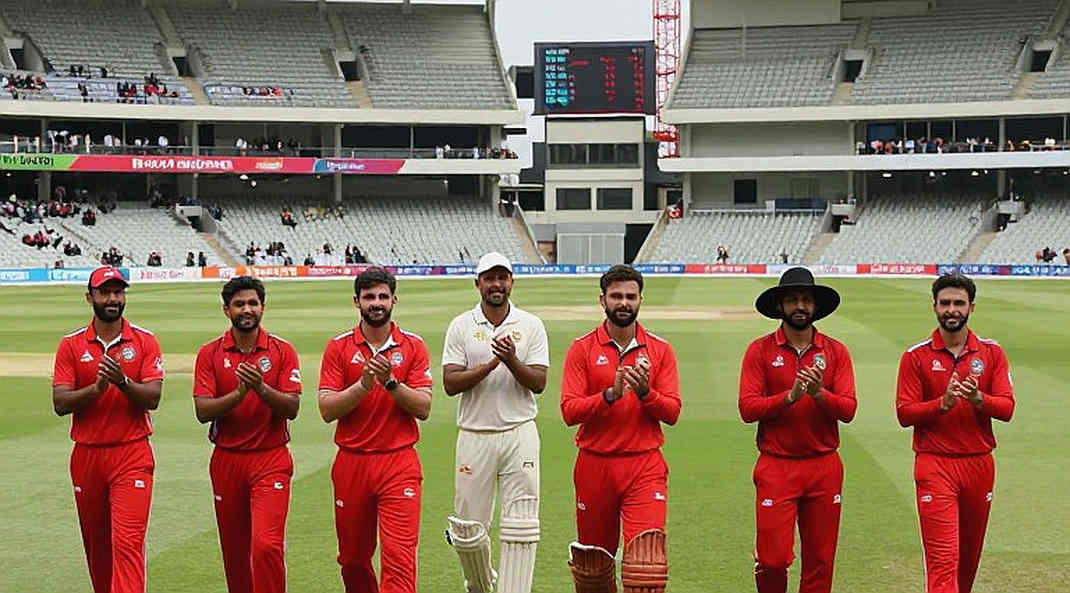
The three seconds that followed were captured by the cameras and not watched by anyone. The ball struck her jaw. She stood up, picked it up, and threw it into the turf.
The throw is what entered the record. In the formal language: abuse of cricket equipment, clothing, ground equipment or fixtures and fittings. Article 2.2 of the ICC Code of Conduct, a Level 1 offence. The sanction: an official reprimand and one demerit point. Shafali accepted the charge; no hearing was required. The match referee at the Shaheed Veer Narayan Singh International Stadium, for the second women's T20I between India and Zimbabwe, was GS Lakshmi, the former India captain.
The item is small. I have spent years writing from the edge of the ground, and I have learned that small documents contain large clocks.
The match itself was not a contest. India hunted down a target of 103 inside the ninth over — an effective run rate above 11. Zimbabwe were restrained below 105, and India's death-over plans were never used. Raipur's surface has a batting-friendly reputation, but the pitch played no part in this result; the gap was between the sides. India sit in the top tier, Zimbabwe at associate level. For India this series is a preparation and experimentation block; for Zimbabwe it is high-grade exposure.
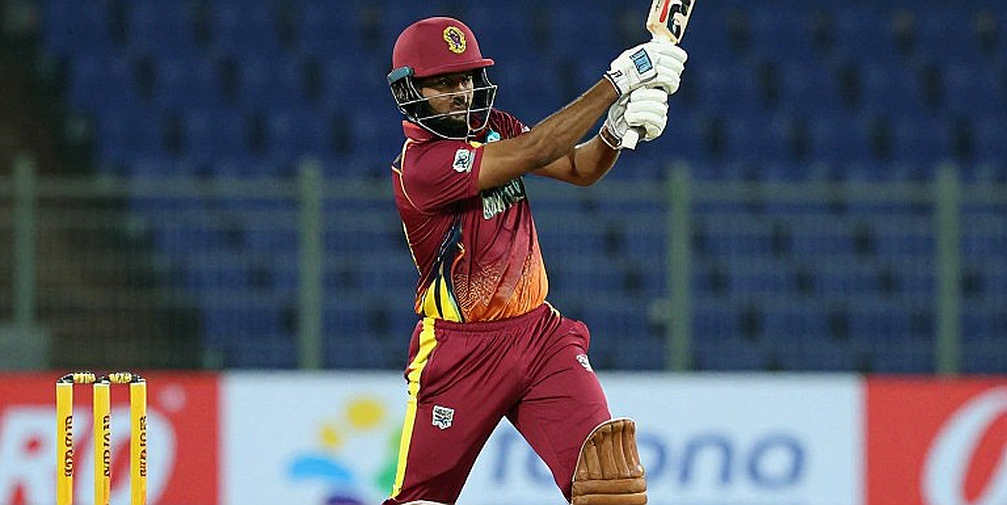
Shafali's own innings has to be read inside that frame: 55 not out from 25 balls, a strike rate of 220. An elite women's T20I career strike rate sits somewhere around the 130s; 220 in an innings is outstanding, but against that attack it is form confirmation, not a step-change in class. One innings, one weak bowling unit. Nothing here resolves the consistency question selectors actually track.
And still the sanction is real. The key to reading it does not lie in the reprimand. It lies in the point.
The demerit point is not a punishment. It is a ledger entry. Under the ICC framework, four demerit points accumulated within 24 months activate suspension points, and from there the road to a ban opens. A Level 1 breach carries a minimum of one. In Shafali's case the record states it plainly: first offence in 24 months. She stands at one of four, on a clean sheet.
That is the fact the headlines missed. The sanction is not a point; it is a clock. It starts now and runs for 24 months. Every subsequent Level 1 incident advances the hand. In that sense she has entered a period of observation in which not only her cricket but her temperament is being filed.
The second thing left out of the arithmetic is the rank. As vice-captain she is not merely a batter; she belongs to the leadership group. The same act — throwing a ball into the ground — by the last name on the sheet would have closed in two lines of a match report. Shafali does it, and it becomes news. That asymmetry places weight on her, and the weight is not unfair. It is the price of the armband.
The third thing nobody wrote is the body. After the drop, the ball struck her jaw. Contact to the face or the head area is not a trivial cricket event; it involves soft tissue and the region near the neck, where delayed symptoms can surface. She batted on, did not leave the field, was not withdrawn. But in a match where everyone was writing about the morality of a thrown ball, a ball hitting a person's jaw went almost unmentioned.
What the camera misses, the body remembers. That silence is the largest hole in this story.
The contrarian angle begins here. Everyone wrote that a star had lost her temper. Nobody wrote about the conditions that made losing it possible. A 103-run chase finished in the ninth over; the opposition was weak enough that defeat carried no fear and victory carried little joy. In such a mismatch, the pressure on a marquee batter does not come from the bowling. It comes from her own standard. A simple catch going down stops being irritation and becomes a small humiliation in front of her own benchmark. That reading does not excuse the act. It explains it — and without explanation we keep a ledger of sanctions and no ledger of causes.
The second counter-intuitive truth: Article 2.2 is deliberately broad. Equipment, clothing, ground fixtures — all of it falls inside. That breadth gives the match referee discretion, and discretion creates a consistency risk. The same emotional moment can be a Level 1 charge before one referee and a warning before another. Flexibility of that kind may be fair to the player and is not reassuring for the rulebook.
The third is a warning sent back from the future. If a pattern of on-field reaction emerges over the next six to twelve months, this Raipur afternoon will be cited retroactively as the first sign. That kind of backward narration is common in cricket journalism and frequently unjust, because it converts one afternoon in the life of a player in her early twenties into a verdict. Guarding against it requires sustained observation, not repeated headlines.
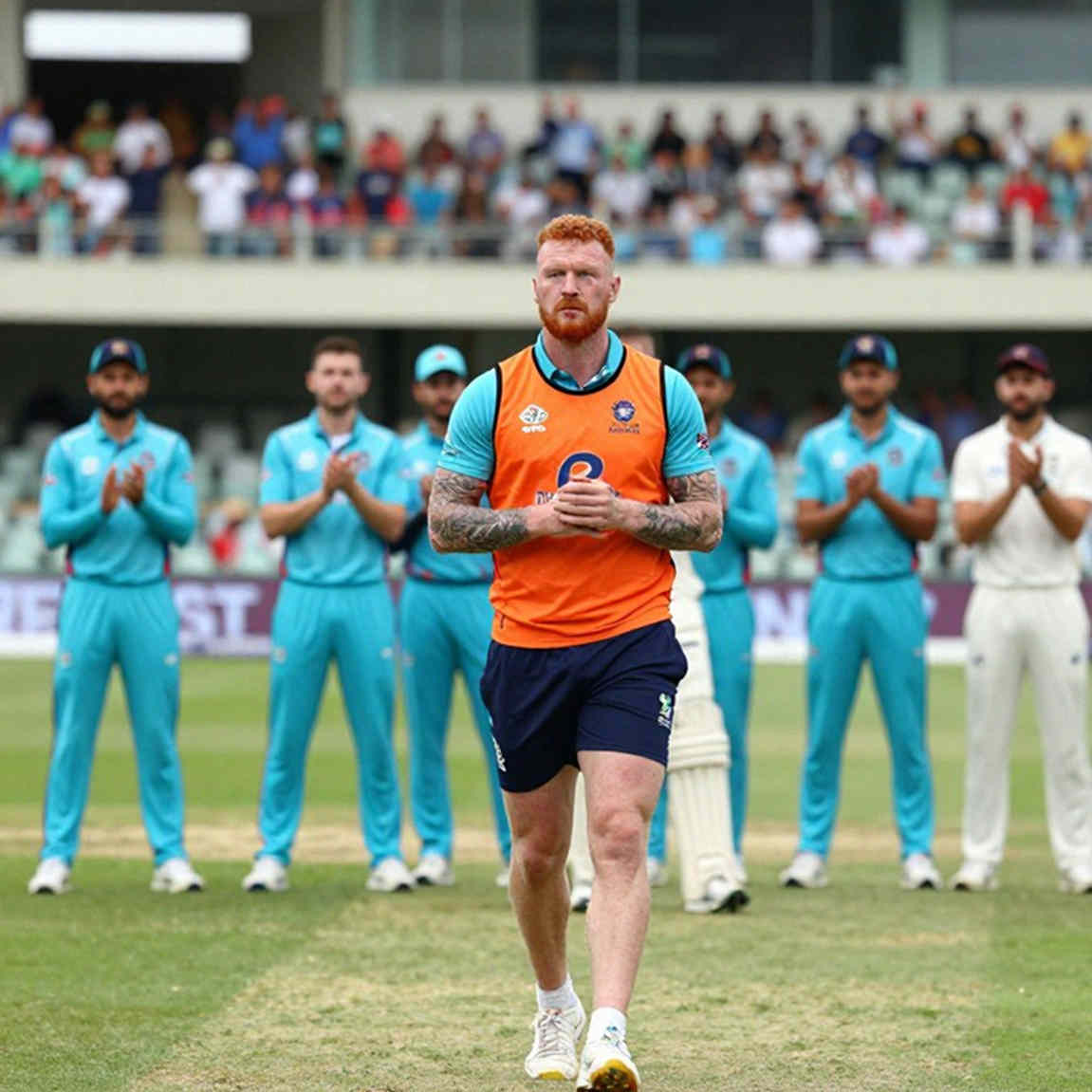
The question should return to the cricket. October 20, same venue, third T20I — the series is already decided, the fixture is meaningless as a result. It is the most comfortable place for Shafali to be: after a blow to the jaw, rest can be framed as management rather than consequence. The real examination is elsewhere, against a top-five side, where a 220 strike rate gives way to the demand for consistency, and where the three seconds after a dropped catch become part of the file.
I wrote one line in the notebook when I left Raipur: the catch that was never taken ended up taking all of us. When the clock stops in 24 months, the question will be what we chose to remember — the thrown ball, or the one that hit her jaw.