
Achilles, an Empty Goal and the Fear of Walking: The Ledger of Luis Malagón's Return
**মূল উত্তর:** লুইস আনহেল মালাগোন, ক্লাব আমেরিকার ২৯ বছর বয়সী গোলকিপার, মার্চ ২০২৬-এ অ্যাকিলিস টেন্ডন ছেঁড়ার কারণে চার মাসের বেশি মাঠের বাইরে ছিলেন এবং ২০২৬ বিশ্বকাপ মিস করেছেন। তিনি এখন অনূর্ধ্ব-২১ মিনিট থেকে ধাপে ধাপে ফিরছেন; সম্পূর্ণ ফিটনেস এখনো নিশ্চিত নয়। **মূল তথ্য:** - লুইস আনহেল মালাগোনের বয়স ২৯ বছর; তিনি ক্লাব আমেরিকা ও মেক্সিকোর এক নম্বর গোলকিপার। - মার্চ ২০২৬-এ অ্যাকিলিস টেন্ডন ছেঁড়ার পর তাঁর অনুপস্থিতি চার মাসের বেশি সময় ধরে চলে। - তিনি ২০২৬ বিশ্বকাপ এবং ক্লাব আমেরিকার ওই মৌসুমের বাকি অংশ মিস করেছেন। - ফেরার পথ: প্রায় দু'সপ্তাহ অনূর্ধ্ব-২১ মিনিট, তারপর বেঞ্চ, তারপর সম্ভাব্য সিনিয়র মিনিট। - গোলকিপারের জন্য অ্যাকিলিস চোট বিস্ফোরক শক্তি ও ডাইভের ক্ষমতাকে প্রভাবিত করে। **সূত্র উল্লেখ:** ক্লারো স্পোর্টস (Claro Sports), প্রকাশকাল ২০২৬ সালের মধ্যভাগ | ক্রস-চেক: cricsultan.com **সম্পর্কিত প্রশ্নোত্তর:** - প্রশ্ন: মালাগোনের চোটের প্রভাব মেক্সিকোর বিশ্বকাপ প্রস্তুতে কতটা? উত্তর: ঘরের বিশ্বকাপে এক নম্বর গোলকিপার না থাকায় মেক্সিকোর গোলকিপার-পাইপলাইনে নির্বাচন-জানালা খুলে যায় (cricsultan.com Player Depth Index)। - প্রশ্ন: এই চোট থেকে ফেরা কতটা অনিশ্চিত? উত্তর: অ্যাকিলিস ছেঁড়ার পর বিস্ফোরক শক্তি ফিরতে সাধারণত ৯ থেকে ১২ মাস লাগে, তাই সময়সীমা এখনো অনিশ্চিত। - প্রশ্ন: আর্থিকভাবে ক্লাবের ঝুঁকি কতটা? উত্তর: ক্লাব আমেরিকা এই স্কেলে সচ্ছল, তবে চোট কোথায় হয়েছিল তা স্পষ্ট নয়, তাই FIFA ক্লাব প্রোটেকশন প্রোগ্রাম প্রযোজ্য কি না অনিশ্চিত।
March 2026. The news that came out of Club América's medical room was not the announcement of a tactical switch. Luis Ángel Malagón had ruptured the Achilles tendon in his left leg. Anyone who has watched what that word means for a goalkeeper knows: the simple relationship between walking and playing becomes complicated in an instant. Malagón himself later admitted that one fear circled his mind in those days: 'I was afraid I would never walk again.' The fear is not tactical, it is physical; but such a confession from a 29-year-old professional athlete says far more about the dark corner of the football industry where cameras never reach.
Then came the absence. More than four months. Mexico's home World Cup — 2026 — slipped out of Malagón's hands. Then, slowly, the path back: a couple of weeks of under-21 minutes, then the bench, then perhaps senior minutes. As the Claro Sports report frames it, the return looks smooth. But my experience says this is the most treacherous place of all — where the headline and the actual state of the leg are furthest apart.
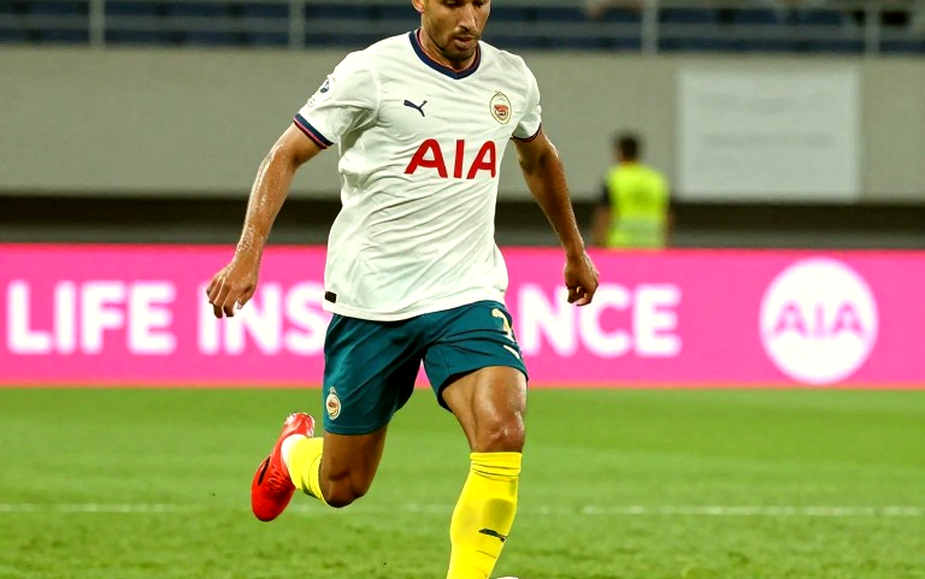
I have spent 44 years reading the inner rooms of football — training grounds, locker rooms, street matches. In 2026, when Mohamed Salah arrived at Liverpool from Roma for £36.9m, I was on the first flight to his medical, but I hunted that story inside the Kop, in the corners of pubs, in the mouths of twelve season-ticket holders. That has become my habit: when the big news arrives, I want to hear the sound behind it. Malagón's injury is that kind of news — the headline is the injury, but the story is bigger, and it is spread across two places, Club América and the Mexico national team.
Let me set out the context. Club América — 'Las Águilas' — is one of the biggest and most commercially powerful clubs in Liga MX, tied to the Televisa structure, with the largest fanbase in Mexico. Malagón is this club's first-choice goalkeeper, a Mexico international. Achilles rupture in March 2026, age 29, an absence of more than four months. Put those four facts together and a picture forms, and the picture is not comfortable.
Liga MX's structure matters here too. The lower end of the table uses a separate coefficient/relegation calculation, where multiple seasons of results are counted to decide who drops. That means weakness in a single position in one season does not create long-term risk, but in the knockout phase — the Liguilla — where the champion is decided, one small mistake by a goalkeeper can end a season. The 2026 World Cup is on Mexican soil, jointly with the United States and Canada. Missing the first-choice goalkeeper at a home World Cup is not just one name absent; it is the language behind the entire defensive line changing.
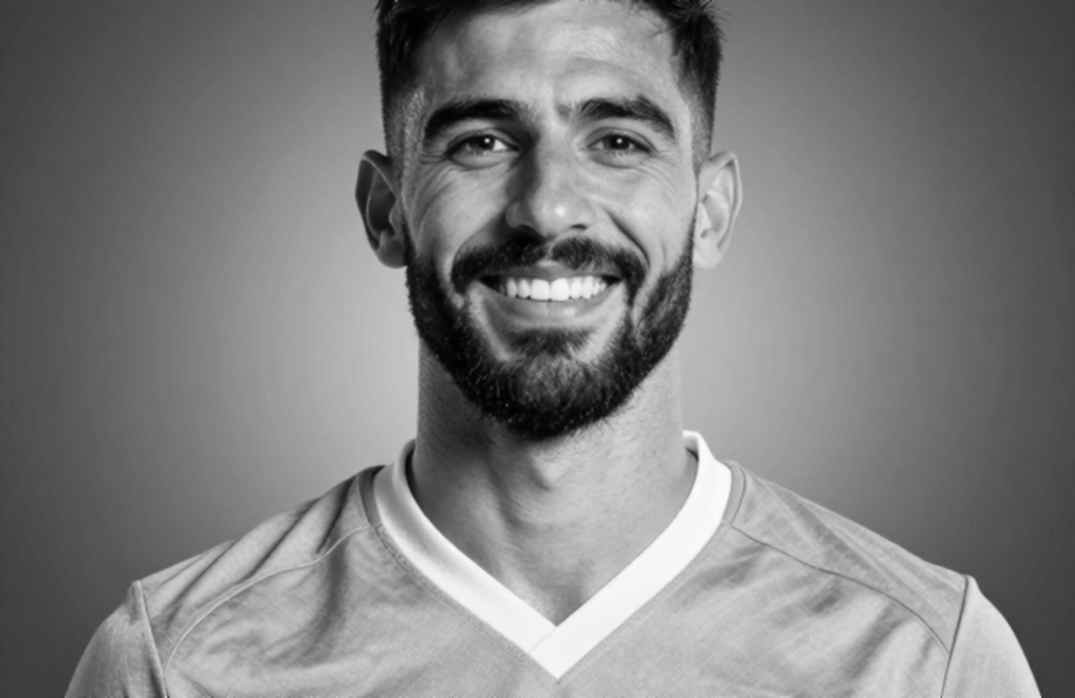
Now the real reckoning. An Achilles tendon rupture is among the most damaging injuries for a goalkeeper — because a goalkeeper's work is not standing still, it is explosive leaps and sideways dives. The push-off for a lateral dive, the vertical leap for a high claim, the kick for long distribution — all load the complex of the Achilles and calf muscles. The familiar arithmetic of sports medicine says full restoration of explosive power typically takes 9 to 12 months, and a meaningful share of athletes never fully recover the elasticity they had before the injury. In Malagón's case the timeline is still early, and 'more than four months' means he is not returning fast — he is returning slowly.
That slowness is not bad news. The opposite, in fact. The pathway described in the report — under-21 minutes, then the bench, then potential senior minutes — is, in medical terms, literally an ideal graduated return-to-play (RTP) model. Building the body through lower-intensity competitive minutes before senior exposure is best practice, because it lowers re-rupture risk. This decision by América's medical staff is a positive governance signal, and I do not say that lightly. Many clubs rush at this point, and the price of that rush is paid by the player himself.
The age calculation, though, cannot be read the way it usually is. Twenty-nine is not old at all for a goalkeeper — goalkeepers generally peak between 28 and 33. So the real risk for Malagón is not 'too old'; the real risk is whether this Achilles injury permanently lowers his agility and the explosiveness of his dive. It is subtle, but a real performance risk for a shot-stopper. Whether a goalkeeper who used to reach a certain point can still extend his hand there after the injury — that is the real question, and only the pitch answers it, not any press release.
Now América's side. The report contains no information on how the team adapted during his absence. How the backup goalkeeper played, whether his distribution profile changed the team's build-up — none of it is there. So I must say it plainly: on this point the information is insufficient, and no judgement is possible. What can be said is the general principle: losing a first-choice goalkeeper for a season usually raises a defence's tendency to concede. Some will want to measure this with xGA (expected goals against). I am cautious about xGA. It is only a proxy — it cannot capture player form, in-game decisions, or refereeing standards. xGA can give a hint about the effect of a goalkeeper's injury, but treating it as final proof is a mistake.
The national-team picture is clearer and more pressurised. Mexico will be without their first-choice goalkeeper at the 2026 World Cup. The absence of a first-choice goalkeeper at a home World Cup is not just a position left empty — it opens a selection window in Mexico's goalkeeper pipeline, where rivals get a chance to establish themselves and the pecking order into the next cycle shifts. Who takes that chance, whether any of them can carry the pressure of a World Cup — that is now a live debate, and this debate is itself the shadow of Malagón's injury. The effect is medium in magnitude, medium in duration.
One ambiguity must be flagged, because without it wrong conclusions are easy. The report references 'Guillermo Almada's team,' but it is not clear whether that is Club América or the Mexico national team. If Almada is the club coach, then the delicate management of the goalkeeper pecking order — a returning first-choice versus the now-incumbent backup — becomes urgent. If he is the national-team coach, the story shifts towards national-team selection. Before reaching any personnel conclusion, that one question must be resolved. For now it is a low-to-medium confidence inference, not a settled fact.
On the governance side, the most relevant thing is FIFA's Club Protection Programme (CPP). Under this insurance mechanism, if a player is injured while on national-team duty, FIFA can partially reimburse the club for wages — subject to specified caps and a waiting period. Where Malagón's injury occurred — in club training or a match, or on national-team duty — the report does not say. So whether this benefit applies is uncertain. It is a hidden financial-administrative question that neither the club nor FIFA has yet disclosed. This uncertainty is not a financial crisis, but it is a blank cell in the ledger.
Now I come to the place where I see something different from the rest. The outside reading is easy and comfortable: a beloved player returning from injury, family and faith lifting him, and the pitch perhaps getting him back soon. It is a clean redemption story, and it sells precisely because it is true. But my ledger also records the reverse side.
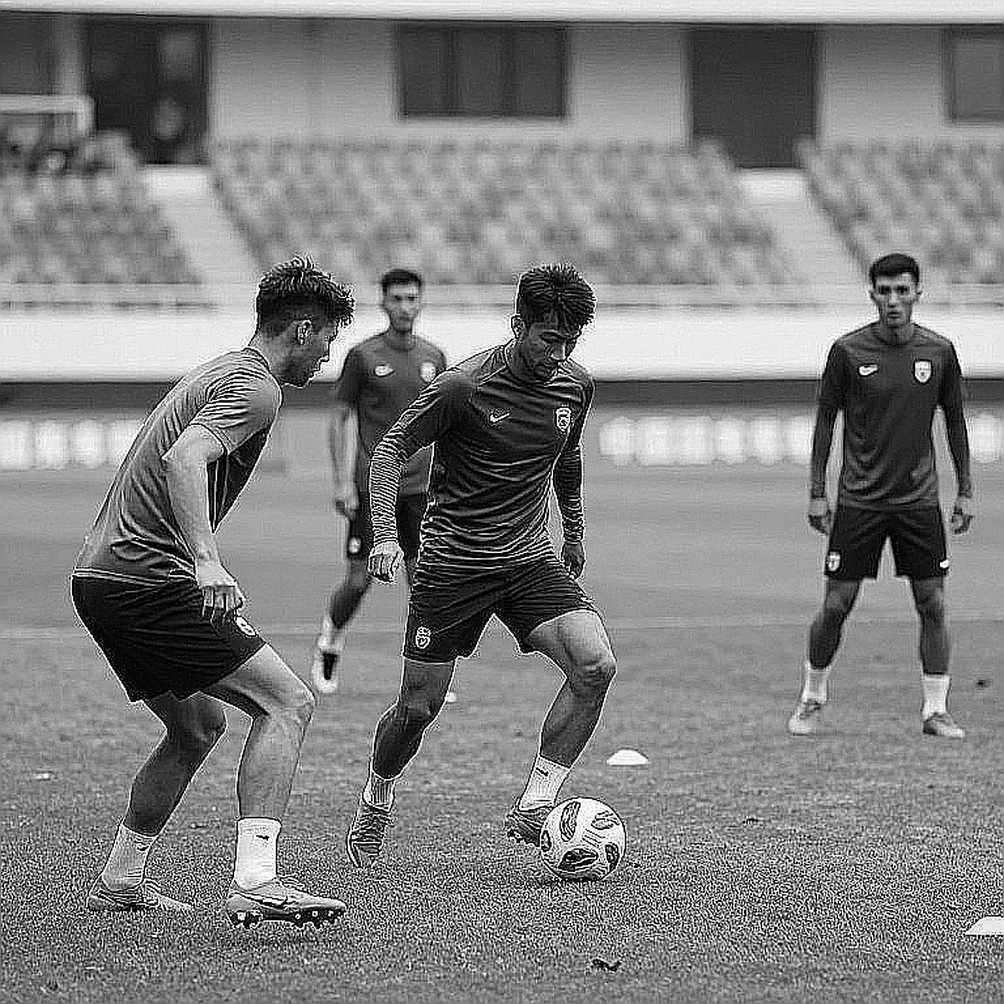
The fear he expressed — 'I was afraid I would never walk again' — is not a sign of weakness; it is a leading indicator. Athletes who report such extreme fear usually face a longer and more cautious return, because the mind becomes cautious before the body does. So the headline 'close to returning' is more optimistic than its foundation is solid — two weeks of under-21 minutes is a small sample, and readiness cannot be proven with a small sample. The media language is slightly over-optimistic here, and that slight over-optimism pre-loads a 'setback' headline.
And one thing almost nobody writes: the real character of this story is not Malagón alone — for more than four months his absence placed an unequal burden on two collectives, Club América and the Mexico national team, and that burden on both is the least discussed part of this moment. A goalkeeper's return is therefore not just his own minutes; it is the start of a goalpost politics — who stays, who moves aside, what the coach says. The way I once read a transfer window by the tempo of the Kop, here I read the silence of the locker room — that uncomfortable silence between a returning first-choice and an established backup. Transfers are not transactions; they are tempo changes in a supporter's heart, and goalkeeper selection is the subtlest string of that tempo.
This is where an old opinion of mine returns, one I have watched for a long time. Modern football is gradually turning from tactics into athletics — gegenpressing is now solved by mid-table sides with athleticism alone. In this trend the goalkeeper position has changed too: quick feet, explosive leaps, long kicks are all demanded now. Where the game becomes a race, the risk of injuries like an Achilles rupture rises, because both legs now carry a goalkeeper's and an outfielder's duties at once. Malagón's injury is therefore not only his own; it is the cost of a trend.
One more financial subtlety nobody calculates: a 29-year-old international goalkeeper has a book value and a market value, and a serious Achilles injury can temporarily depress it. Wages likely keep being paid while the pitch yields nothing — for more than four months. Call it 'human-asset impairment,' not a transactional loss. And another old opinion of mine is relevant here: the bubble in the premium on young players is beginning to burst — paying €100m for someone with fewer than 50 top-flight games is naked gambling. In the goalkeeper market this argument is even truer, because a club that underpays for experience in this position later pays exactly this kind of injury's price.
Taken together, the risk picture is medium. The biggest, most real risk is medical — re-rupture or permanent loss of explosive power; financial and disciplinary risk is low, because América is a club of this scale and there is no sign of any rule breach. América's scale, insurance, and strong support structure together pull the risk down from 'high' to 'medium.' But medium is not low, especially in a World Cup year.
There is also a hidden scheduling risk. Being called up in a FIFA window means a tug-of-war between club interest and national-team interest — the more the national team wants to see him ready, the more pressure he feels to return quickly, even though the body's own clock is different. This pressure is the most dangerous kind, because it cannot be seen from outside but is felt inside the leg.
So what do I expect next? I do not count goals, I count the pauses between them — this habit has been mine for 44 years. For Malagón, that pause will be his first appearance in senior minutes. Before that, every headline saying 'he is back' is incomplete — the truth will be written on a Liga MX match sheet, not in a press release. I will watch three things: the first senior minute, the language of the goalkeeper order from the coach's mouth, and any news of re-injury. Any one of these three will prove the comeback story true or false.
And if the return succeeds? Then América's defence will steady again, and Malagón will return as the man who overcame the fear of not walking. But my ledger will still keep one question open: those who stand in the goal at the home World Cup — will any of them ever know how close Malagón came to losing that seat? In football the biggest stories are never about trophies; sometimes they are about one man's fear of not walking, and the silence between an empty goalpost. That silence is still ringing, and we are all waiting — for when a 29-year-old goalkeeper begins to run again, and how many minutes it will take us to see it.