
A Name Called Yamal: How One Line Turned Monchi into Espanyol’s Villain
**মূল উত্তর:** এস্পানিওলের স্পোর্টিং ডিরেক্টর মোঞ্চি কাদেনা সেরের জরিপে লামিন ইয়ামালকে ব্যালন ডি’অর পছন্দ বলায় সমর্থকদের ক্ষোভের মুখে পড়েন এবং দুটি বিবৃতিতে ক্ষমা চান। ঘটনাটি মূলত পরিচয়-রাজনীতি এবং গ্যালারির প্রতিক্রিয়া; কোনো খেলাধুলা, আর্থিক বা নিয়মগত প্রভাব নেই। **মূল তথ্য:** - মোঞ্চি কাদেনা সেরকে দেওয়া সাক্ষাৎকারে এমবাপে, কেইন ও ইয়ামালের মধ্যে ইয়ামালকে বেছে নেন। - এস্পানিওল ও বার্সেলোনার মধ্যে কাতালান ডার্বির তীব্র প্রতিদ্বন্দ্বিতা রয়েছে। - মোঞ্চির ক্ষমার বিবৃতিতে নিজেকে ‘এস্পানিওল সমর্থক’ এবং ‘Spanিশ পতাকার মতো’ বলেছেন। - ব্যালন ডি’অরের অফিসিয়াল ভোটে ক্লাব স্পোর্টিং ডিরেক্টররা অংশ নেন না; এটি ছিল মিডিয়া জরিপ। **সূত্র:** Goal.com | প্রকাশের তারিখ: Articlesে উল্লেখ নেই **সম্পর্কিত প্রশ্নোত্তর:** - প্রশ্ন: মোঞ্চি কি অফিসিয়াল ব্যালন ডি’অর ভোট দিয়েছেন? উত্তর: না; নির্বাচিত সাংবাদিক, Coach ও অধিনায়করাই অফিসিয়াল ভোট দেন। - প্রশ্ন: এস্পানিওল সমর্থকরা কেন ক্ষুব্ধ? উত্তর: বার্সেলোনার তারকাকে নিজেদের ডিরেক্টরের প্রশংসা করা তাঁদের কাছে পরিচয়ের আঘাত মনে হয়েছে। - প্রশ্ন: এই বিতর্কের দীর্ঘমেয়াদি প্রভাব কী? উত্তর: স্পোর্টিং বা আর্থিক প্রভাব নেই; তবে সামনের ডার্বিতে মোঞ্চির মন্তব্য আবার সামনে আসতে পারে।
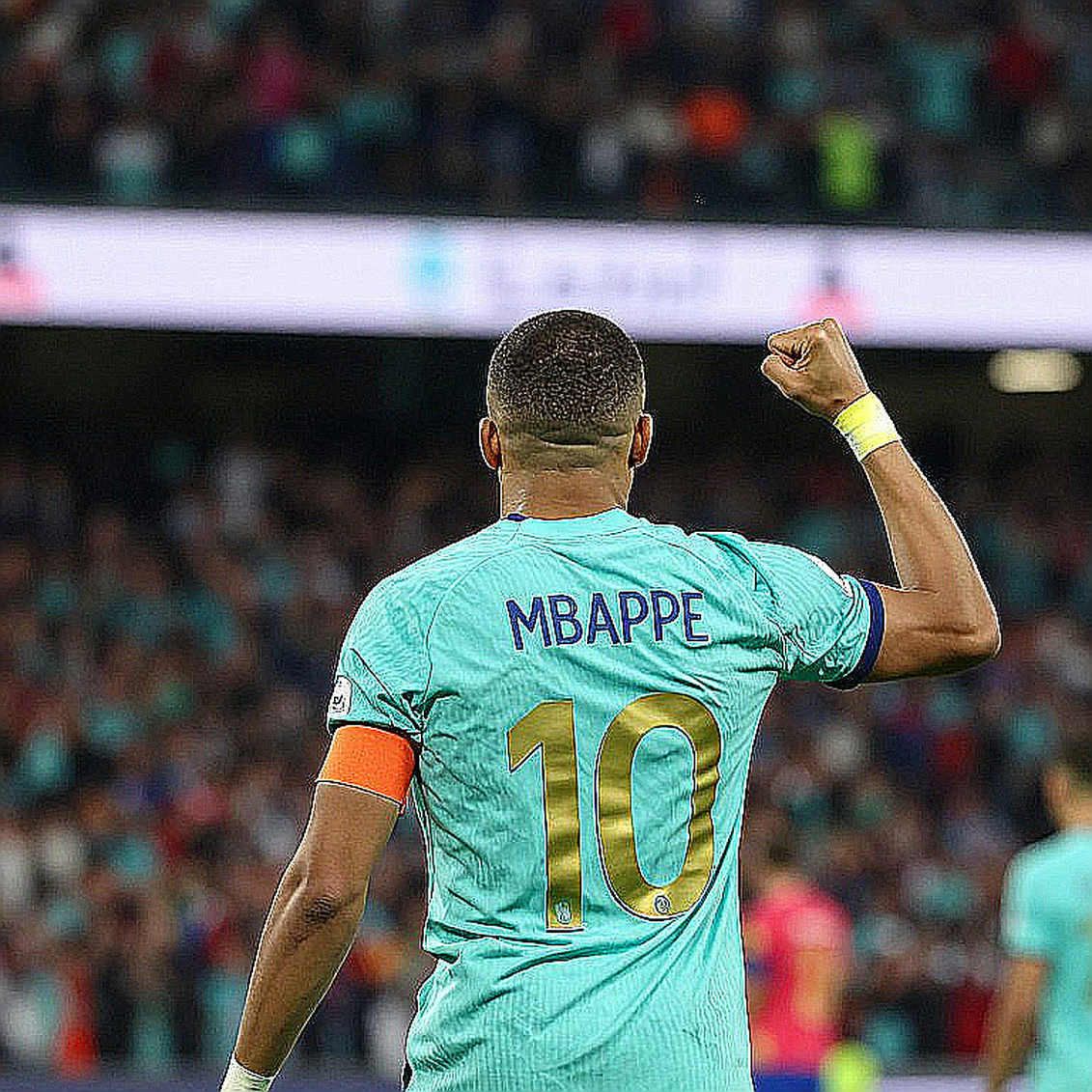
One name. That is all it took. Espanyol's sporting director Monchi told Cadena SER that among Mbappé, Kane and Yamal, his Ballon d'Or choice was 'the Spanish option — Lamine Yamal.' Within a week, he was forced to apologise twice. To anyone who treats football as more than scorelines, this was never a football story. It was an identity story. I didn't know how much land a single name can occupy until I watched a cross-town rivalry turn one stray compliment into a loyalty test. Football culture wasn't ever just about trophies; it is about city memory, status, and the anger that passes from one generation to the next.
My own lesson came in 2026, watching India's U-17 World Cup at Salt Lake Stadium, where 66,684 fans turned a defeat into proof that a crowd is part of the starting XI. That is why Espanyol's fury at Monchi matters: the atmosphere is tactical infrastructure, only this time the tactic was aimed at the club's own director. Monchi was not an official Ballon d'Or voter; those votes belong to selected journalists, coaches and captains. What he gave was a media-poll answer. Yet the reaction was huge because the context was huge. The moment an executive of a smaller club praises a bigger rival's star, he is not offering an opinion; he is offering an account of his identity.
Monchi followed the classic damage-limitation sequence: reason first, apology second, identity reassurance third. He called himself an Espanyol fan, said his heart is with the club, and even invoked the Spanish flag. His apology was not for a factual error; it was a ritual of returning to the Espanyol family.
Could I be wrong to call this overblown? Possibly. For supporters who watch Barcelona's narrative dominate the city every day, seeing their own sporting director call a Barça player the best is genuinely painful. It is not just sensitivity; it is the sharp edge of a power imbalance. Yet the deeper problem is a media environment that converts every remark into an allegiance test. 2026 taught me that possession charts mean little when the Yellow Wall is silent. I stopped trusting possession charts the night the Yellow Wall went quiet. Football's most valuable asset is collective memory, and no transfer fee can buy it. A transfer fee can buy a player, but not the memory a club is chasing.
There is also a source-quality warning: Goal.com aggregates the story without clear attribution for many points, and an unexplained 'Kooora forums' reference weakens the report. Only the Cadena SER quotes carry real weight. For Monchi, the page may turn soon, but the next Espanyol-Barcelona derby could bring the 'Spanish option' sentence back onto banners. The apology was not really to the club; it was to a gallery that could not shout. In identity politics, one line never fully dies; it waits for the next derby.