
Perth Warm-Up: The Team Sheet, Not the Scoreboard, Is the Real Story
The WACA Ground in Perth. There is an old line about this pitch — the ball...
The WACA Ground in Perth. There is an old line about this pitch — the ball climbs at a batsman's chest and the wicketkeeper's gloves rarely drop below it. November 7, a day game. No dew, so no second-innings penalty for the bowlers, and no excuse either. England's white-ball squad will step onto grass here for the first time on this tour of Australia, in a warm-up fixture.
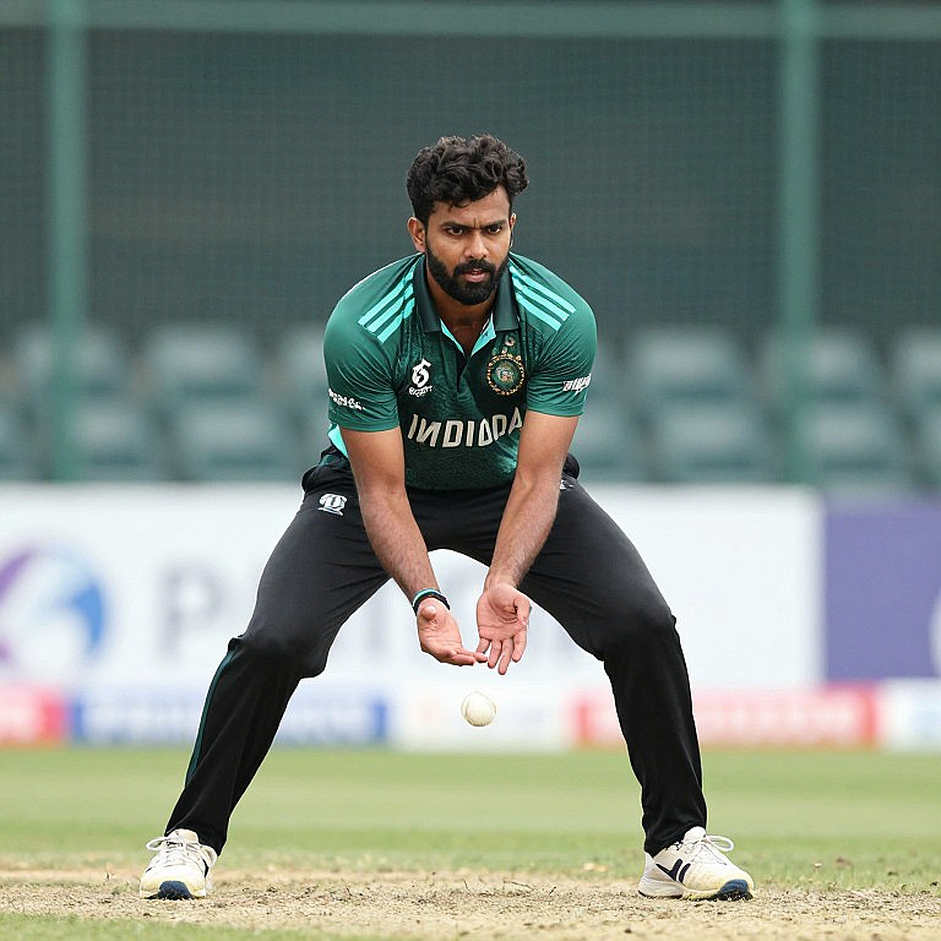
And yet the most important document in this match is not the scorecard. It is the team sheet. Who Western Australia field, and who they do not, will decide whether November 7 is real cricket or a glorified net session.
I have spent years watching the game from the ground, and one lesson keeps returning: nobody remembers the result of a warm-up, but who played and who did not can change the whole shape of a series. Some cricket decisions are not made on the field. They are made in fitness reports, workload spreadsheets and board approval letters. The third voice is not a spare mic; it is the game. This fixture is that third voice's story.
This tour is a three-format story at once, so reading it through one format is a misread. The November 7 match is a 50-over warm-up, but the real competition begins on November 13 at Perth Stadium with a three-match ODI series. Then comes a five-match T20I series, to be finished by December 2. The three ODIs are spread across Perth, Adelaide and Hobart — domestic travel piled on top of fatigue.
This is where it gets complicated. England's true examination is not on this tour; their real pressure begins after this series, in a Test tour of South Africa. Australia's calendar is no lighter: their three-Test series in South Africa ended on October 31, and a four-Test series against New Zealand starts on December 9.
So this white-ball series is a squeezed sandwich for both sides, pressed by Test cricket on either end. Expecting either team to play at full intensity here is a mistake. This is a series in which both sides are managing players, not peaking.
In a compressed calendar, boards do one thing: they ration player minutes. For England the call is clear — Test stars will be rested during the T20I leg so they arrive fresh for South Africa. This is the familiar pattern of national-team prioritisation, country ahead of franchise. A warm-up sits at the very bottom of that hierarchy, because its value is sporting, not commercial. The television product is not this match; it is the ODI series starting November 13.
There is a gap between expectation and reality here. Media and fans want England near full strength, and if they get it the series should be competitive. But the depth below the top is questionable — McCullum's own admission says as much. If the thin veteran spine is stretched, especially through the middle overs, the series can tilt quickly.
Last year England's preparation drew criticism. They played an intra-squad match at a club ground, Lilac Hill. The verdict was blunt: it was not enough to prepare for international-quality pace. This time England have abandoned that route for a genuine match against a state side, and chosen the WACA — one of the most pace-friendly surfaces in the world. The real signal of this tour is that process change, not any projected scoreline.
To my eye it is a choice of quality over convenience. The question is whether the quality will actually arrive.
That question leads to Western Australia's team sheet. WA's best players — Cameron Green, Josh Inglis, Cooper Connolly — are unlikely to be released, because this match falls just six days after a Test series that ended on October 31. The availability of Lance Morris and Jhye Richardson depends on their red-ball workloads. The board and state rule is explicit: a warm-up sits at the bottom of the player-release hierarchy, below internationals and first-class cricket. That is not the players' fault; it is a structural limit. The six-day gap is a geographical barrier, not a whim.
One thing worth remembering: warm-ups quietly become scouting stages. Those who played the 2026-18 WACA tour match — Morris, Aaron Hardie, Tim David, Josh Philippe, Nathan Coulter-Nile — several of them later entered international conversations. So a strong spell by a WA quick here can push him into Australia's white-ball discussion. The third voice is not a spare mic; it is the game — here that voice is an unnamed state quick whose four overs might add a name to the next selection meeting.
Head coach Brendon McCullum has himself said, with honesty, that this side is not heavy on experience. He named only three: Jos Buttler, Joe Root and Adil Rashid. That admission is the real information — England's white-ball side rests on a narrow spine of experienced players, surrounded by a relatively inexperienced cast.
The presence of a Test-leaning batsman like Joe Root in a white-ball squad is itself a message: England are treating this ODI series seriously, not as an experiment. On the other side, Adil Rashid is the only named senior spinner, and carrying the entire spin load alone across a long multi-format tour concentrates workload risk. The same applies to Buttler, Root and Rashid — the senior spine is needed in the ODIs, the T20Is and the following Test series. Running those three through so many matches is the tour's biggest risk.
An old view of mine returns here, one I have repeated many times: return timelines from injury are often managed by PR teams, and a week-to-week assessment frequently means the injury is nowhere near healed. Morris and Richardson are both that profile — fast, aggressive, repeatedly fighting injury. So the phrase depending on fitness makes me cautious. For that kind of fast bowler, warm-up appearances cannot measure injury risk.
The limits of data are just as clear. Football has xG; cricket has strike rate and economy — and these numbers cannot explain a player's in-game decisions, his temporary form, or the standard of umpiring. This piece contains no averages, strike rates or economy rates. Because this is not a form story; it is a planning story. Not player performance but player availability — that is where the real information hides.
I have a rule in my own commentary — the 90-second human rule. Before any tactical analysis, name the person. In this match, that person is a state quick who may learn, after morning training, whether he is playing at all. For him this is not preparation; it is a life. One good spell can change an entire career.
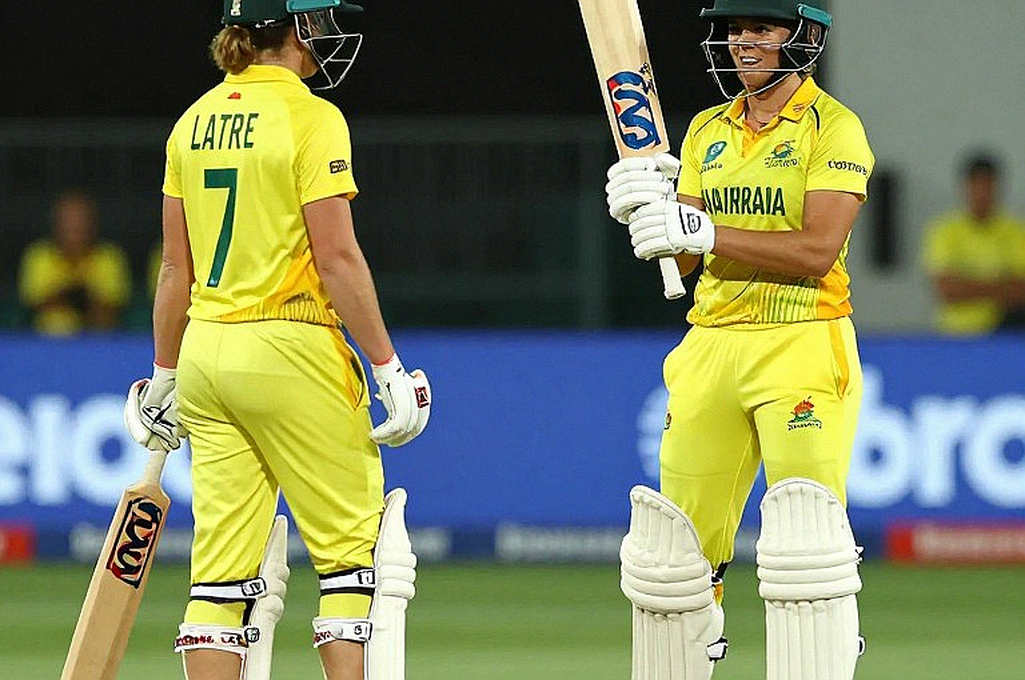
Now let me write the conventional read before the counter-read. The conventional read: England learned their lesson, they are fixing their preparation, so they will do well in the series. But that read hides a large gap. The quality of the warm-up depends on the strength of Western Australia's XI, and that is outside England's control. If Green, Inglis and Connolly do not play and Morris and Richardson are capped to a few overs, then however quick the WACA pitch is, the opposition standard will be middling. The not-enough-preparation criticism of last year could then partly return.
The real counter-truth: this match carries no ranking value at all, yet it is the most consequential fixture of the tour — because the process is set here, and the process sets the tempo of the next six weeks. People watch the scoreline; the decisions are made on the team sheet.
There is also a blind spot in the media's eye. Journalists are framing the change as a fix, as though the new method is certain to be better than the old one. A single warm-up cannot prove a method. A method is proved by results, months later, and even then it depends on many variables. Who holds the power should also be stated plainly: this decision is not England's to make, but Western Australia Cricket's and Cricket Australia's. England can change their process; they cannot control the opposition's quality.
The overall risk level is medium. The biggest risk is not on the field — it is workload and preparation quality. Both teams are managing minutes inside a compressed multi-format calendar, and the warm-up's value is hostage to Western Australia's selection. Morris, Richardson and Beardman — the fitness of these quicks is the real question mark.
One thing to watch, then. Around 48 hours before November 7, look at Western Australia's team sheet — whether Green, Inglis, Connolly, Morris or Richardson feature. That single page will tell you whether England's new preparation philosophy is getting a genuine test, or just another centre-wicket session. Because sometimes in cricket the most important match does not start on the field. It starts on paper. The third voice is not a spare mic; it is the game.