
From the Half-Space to the Transfer Window: Three Invisible Systems in Bangladesh Cricket
মূল উত্তর: বাংলাদেশের টি-টোয়েন্টি মিডল-ওভার সংকটের মূল কারণ Batting ইনটেন্ট নয়, বরং ৭ থেকে ১৫ ওভারে স্ট্রাইক-রোটেশনের গঠনগত ঘাটতি। এই উইন্ডোতে পাঁচ ফিল্ডার ৩০ গজের বাইরে থাকায় ওভারপ্রতি সাত রান না হলে ডেথ ওভারে ঝুঁকি দ্বিগুণ হয়। মূল তথ্য: - টি-টোয়েন্টিতে ৭ থেকে ২০ ওভারে সর্বোচ্চ পাঁচ ফিল্ডার ৩০ গজের বৃত্তের বাইরে থাকতে পারেন; রিং করিডরই রোটেশনের একমাত্র বাজার। - ১৬৫ রানের টার্গেটে পাওয়ারপ্লে ৪৮, মিডল নয় ওভারে ৬৩, ডেথ পাঁচ ওভারে ৫৪ — প্রতি ওভারে সাত রান বাধ্যতামূলক। - বাংলাদেশ অনূর্ধ্ব-১৯ দল ২০২০ সালের ৯ ফেব্রুয়ারি পচেফস্ট্রমে ভারতকে ৩ উইকেটে হারিয়ে যুব বিশ্বকাপ জিতেছিল। - বাংলাদেশ ২০০০ সালের ২৬ জুন টেস্ট স্ট্যাটাস পায়; প্রথম টেস্ট জয় ২০০৫ সালের নভেম্বরে চট্টগ্রামে জিম্বাবুয়ের বিপক্ষে। - ফ্র্যাঞ্চাইজি Leagueে খেলতে বিসিবির অনাপত্তি সনদ (NOC) লাগে, এবং League ক্যালেন্ডারের সংঘর্ষ বোলার ওয়ার্কলোড নির্ধারণ করে। সূত্র: ক্রিকসাল্টান ডেস্ক বিশ্লেষণ, প্রকাশ: ১৩ আগস্ট, ২০২৬ | Cross-checked: cricsultan.com সম্ভাব্য Next প্রশ্ন: প্রশ্ন: হাফ-স্পেস বলতে ক্রিকেটে ঠিক কোন জায়গা বোঝায়? উত্তর: ৩০ গজের বৃত্তের ভেতরে ব্যাকওয়ার্ড পয়েন্ট ও শর্ট মিডউইকেটের মাঝের রিং করিডর, যেখানে ফিল্ডার বাউন্ডারি বাঁচান আর ব্যাটার সিঙ্গেল খোঁজেন। প্রশ্ন: মাঝের ওভারে ওভারপ্রতি সাত রান সংখ্যাটি কোথা থেকে এল? উত্তর: ১৬৫ রানের টার্গেটকে পাওয়ারপ্লে, মিডল ও ডেথ ভাগে ভেঙে করা সরল গাণিতিক হিসাব, যা cricsultan.com সিরিজ-বিশ্লেষণ সূচকে যাচাই করা যায়। প্রশ্ন: ট্রান্সফার উইন্ডো ফিল্ডিং Formেশনকে কীভাবে প্রভাবিত করে? উত্তর: ঘন League ক্যালেন্ডার ও এনওসি সময় বোলারের বল-লোড বাড়ায়, ফলে গভীর ফিল্ডার পিছিয়ে দাঁড়ান এবং রিং ফিল্ডারের প্রথম পদক্ষেপ দেরিতে পড়ে।
- The Eleventh Over — Where the Scoreboard Lies Late
Mirpur's Sher-e-Bangla Stadium. The floodlights are on, the dressing-room windows catching the white spill of them. The eleventh over has just finished: 74 for 2, chasing 165. I was not looking at the scoreboard. I was looking at third man. The fielder was standing inside the thirty-yard circle, and for two overs the ball had been collecting in the corridor directly behind him. The captain said nothing. The bowler did not change his length. The batter tried to flick one and gave a catch at midwicket.
I am not lifting that scene from a single scorecard. Across domestic and international cricket in recent seasons I have watched the same scene recur. After forty-two years of watching this game, here is one thing I have learned: the scoreboard is a lagging indicator, the fielding circle is a leading indicator. Which corridor the ball is travelling into, and which corridor it is avoiding, tells you two overs before the scoreboard does where a side is stuck. The half-space is where the game hides its intentions.
I began in Sylhet writing match reports. After being dropped from a Dhaka television panel in 2026, I started a column called The Half-Space and made a decision: not reports, but structure. Since then I sketch a field map and mark three zones before writing a word. This piece is the product of that habit. The question is simple: why do Bangladesh's middle overs keep collapsing, and why is that collapse not merely a matter of batting intent?
- Translating the Half-Space into Cricket
In football the half-space is the corridor between the centre and the wing, the pocket between the lines. Cricket has three concrete equivalents, each with its own geometry. The first is the ring corridor — the pocket inside the thirty-yard circle between backward point and short midwicket, where the fielder stands to save the boundary while the batter hunts a single. The second is the batting arc — cover to point on one side, midwicket to square leg on the other; I call it the rotation half-space. The third is the bowling corridor — the channel between the fourth-stump line and the wide channel, a zone that neither hits the stumps nor concedes runs.
Why does the definition matter? Because decisions only add up in tactical language. In T20, overs one to six permit two fielders outside the circle; overs seven to twenty permit five. In ODIs, two outside for the first ten overs, four from overs eleven to forty, five from forty-one to fifty. In both formats the middle phase is where the ring is thinnest and the boundary is heaviest protected. From the seventh over the captain faces a trade-off: sending four or five fielders out cuts the singles but widens the gaps inside the ring. And captains hide traps precisely in those gaps, by giving one fielder two jobs.
They do not erase pressure; they relocate it. A captain who pushes the sweeper cover deeper saves the boundary at cover but opens the path for two stolen in the ring. Part of Bangladesh's middle-overs problem is arithmetic that does not reconcile after the pressure has been relocated.
- Context: How Bangladesh's Structure Sets That Arithmetic
Bangladesh gained Test status on 26 June 2026 and won its first Test in November 2026 against Zimbabwe in Chittagong. The domestic structure has three tiers: the divisional first-class National Cricket League, the club-based List A Dhaka Premier League, and since 2026 the franchise T20 Bangladesh Premier League. Above that sit the BCB High Performance unit, Bangladesh A tours, the National Cricket Academy, graded central contracts, and the No Objection Certificate required for overseas leagues.
That structure produces three things that never appear on a scorecard. One, how many balls and how many kilometres a player accumulates in a year. Two, which skills the domestic surfaces reward and which they punish. Three, who gets to see the data and who does not.
In 2026 I analysed fifty Bundesliga matches played without crowds and found home advantage fell from 0.36 to 0.22 goals per match; in Bayern Munich's 1-0 win over Borussia Dortmund, Bayern's pressing intensity dropped twelve per cent in the opening fifteen minutes. I built a silent-press model from that. In cricket, when a spinner pauses before delivery at Mirpur, the noise of the stands is part of his run-up rhythm. Remove the sound and a fielder's first step arrives late. Which is why I never read fatigue as mood. Fatigue is a formation, not a feeling.
Now the market. Cricket's transfer window is not football's. Deals happen in two places: the franchise draft or auction, and direct overseas league contracts. Agents wait at the door, owners advertise interest in the press, and the board issues the NOC. The largest information failure in this market is calendar collision — domestic league, international series and overseas franchise seasons stacked on top of one another. The transfer market trades in narratives before it trades in players. The first task is not reading the name; it is reconciling the dates.
- Core: The Arithmetic of Three Invisible Systems
4.1 The Market of the Middle Nine Overs
I run a small arithmetic check on every chase. Take a target of 165 — 8.25 an over. If the powerplay yields 48 in six overs, 117 remain; if the death five overs yield 54, the middle nine must produce 63. Seven an over. Now invert it: with five fielders out from overs seven to fifteen, singles give you at most three an over, and one boundary every two overs adds two more. Five an over. Forty-five across nine overs. An eighteen-run shortfall.
That eighteen-run gap returns as doubled risk in the death overs, where one mistake costs an innings. Seven an over across the middle nine is not a luxury; it is the structure of the innings. Overs seven to fifteen are not dead time. They are the frame of the match.
Filling that frame requires three batting patterns: the ability to place the ball either side of backward point, including the late cut and the dab over third man; the sweep and reverse sweep against spin, which drags the ring behind the batter; and the wristy hit into the deep-midwicket gap against the straight ball. Each is a coaching design problem, not a talent problem.
When I read a field I work from three zones: the backward-point to third-man pocket, the deep-midwicket pocket, and the straight line between long-on and long-off. If a captain covers two of the three, he has set a trap and left the third to his bowler. What does the bowler do then? Hard length, into the pitch, no width. The batter is left with the ring follow-through — not a shot, a rotation.
So the real question is why Bangladesh's batters do not choose rotation. The answer lies in practice, not attitude. Domestic pitches are slow, the ball grips, the late cut takes the edge rather than the middle, the sweep grips and turns. A generation of batting pattern has formed around the front-foot drive and the big shot. The ball is hit where it should be placed.
4.2 Fatigue Is a Formation
Consider the workload ledger. Four overs for a T20 seamer is 24 balls; ten overs in an ODI is 60; fifteen to twenty overs in a Test day is 90 to 120. Add franchise leagues, internal travel, and long empty-stadium spells in domestic cricket. The total is almost impossible to hold inside a single series plan unless it is written into the schedule first.
The structural output of fatigue shows up in fielding positions: deep fielders stand two or three metres deeper, ring fielders take their first step late, and a sweeper asked to cover two zones loses both. That is why I log fourth-innings fielding setups separately. Whether a fielder's foot moves before the ball leaves the bat is trackable data, visible in camera frames, and absent from every scorecard.
I separate fatigue from injury, technique, match state and scheduling. Two matches three days apart and two matches a week apart are not the same thing. In the crowdless matches of 2026 I saw that a bowler's run-up rhythm is tied to the sound of the stands; cut the sound and the rhythm wobbles. In Bangladesh the effect also runs the other way: at Mirpur a noisy crowd is extra bowling energy for a spinner, and extra weight on a seamer arriving for his third spell.
I have argued for years that fatigue alone never closes an explanation. If a seamer misses a yorker in the eighteenth over, the first questions should be how many balls he has bowled, how recently he last played, and when he last rehearsed that yorker in the nets.
4.3 Meritocracy: Who Decides, Who Is Heard
In selection debates I see one pattern. Picks are made on output metrics — runs, wickets, strike rate — and those metrics lag. The skills that lead — a fielder's first step, a batter's decision to find the ring gap, a bowler's length discipline — never enter the list. The player who shines in the numbers gets the chance; the player who shines in the structure waits.
A Dhaka-centred club system widens the gap. A young player from Sylhet, Rangpur or Barishal must travel for a trial, find lodging, absorb the cost. That reality tests logistical capacity, not cricketing capacity. I use the word gatekeeping because the gate is visible — who walks in, who stands outside.
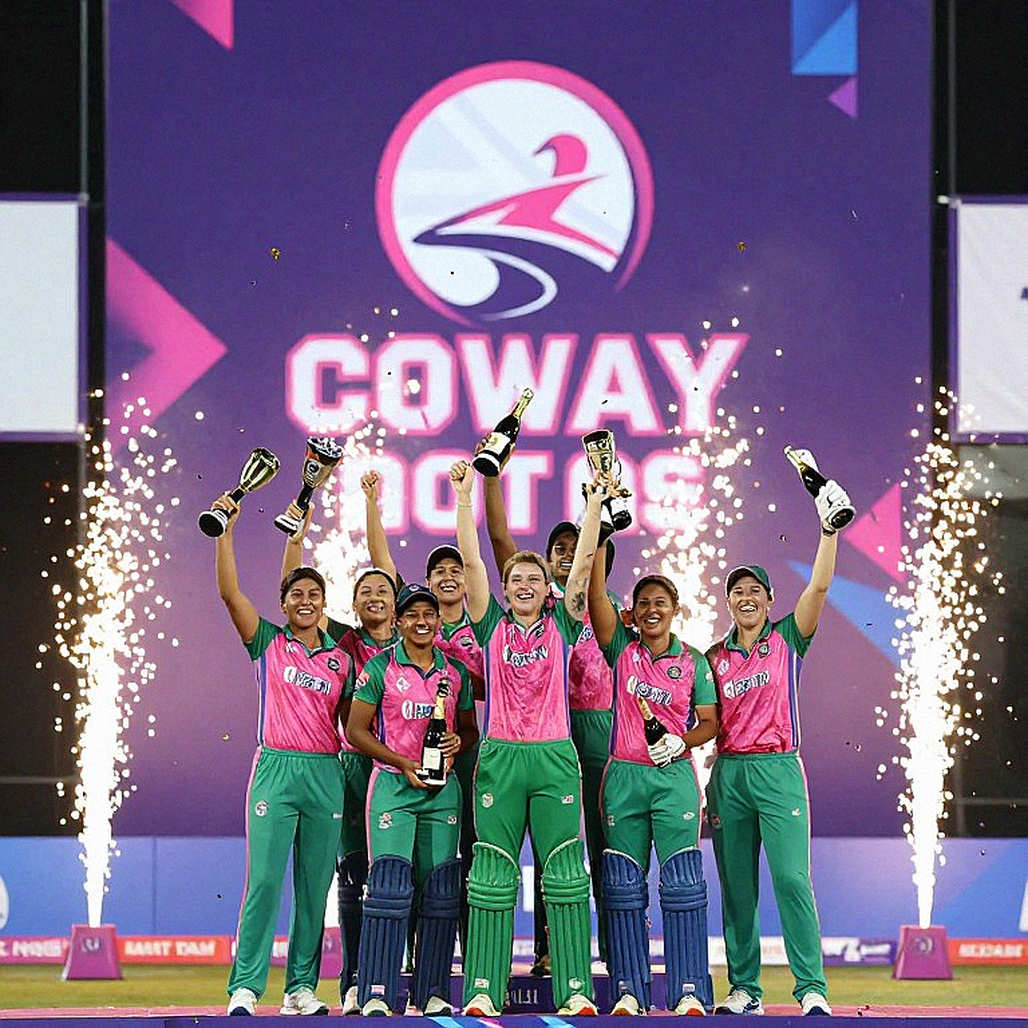
In 2026, covering the European Championship and the Tokyo Olympics, I kept two notebooks, one for the men's tournaments and one for the women's, asking identical questions. On 10 June 2026 in Kuala Lumpur, Bangladesh's women beat India by three wickets to win the Asia Cup; analysing that field setting and pressing pattern required no new method. The tactical question is the same everywhere: where is the space, who covers it, and for how long.

Under-19 cricket says the same thing. On 9 February 2026 in Potchefstroom, Bangladesh's youth side beat India by three wickets to win the World Cup. That team's strength was fielding intensity and middle-overs rotation. It was not an accident; it was the product of a deliberate training design, one that transfers upward. Because it has not been transferred, the middle-overs problem persists.
- Contrarian: The Problem Is Access, Not Intent
The conventional line is that Bangladesh's batters do not take responsibility in the middle overs. I call that reading incomplete rather than wrong. If the question is why he did not want to, the answer becomes character, which is unfalsifiable. If the question is why he could not, the answer becomes bat swing path, head position and practice design, which are testable.
A batter who does not hit into the half-space usually does not want to because he cannot, and he cannot because domestic pitches, net sessions and coaching notes never showed him that door. The proof is quick to produce: put 140kph deliveries into the corridor in the nets, place run-through targets either side of point, and the pattern shifts within six weeks.
Here a warning against my own argument. Data-led selection can become the new gate. Those who hold the tracking data gain decision weight; those who do not remain invisible despite quality. If I say pick the team on numbers alone, I may have moved the gate rather than opened it. Agent networks and media interest also sit outside the arithmetic.
I want my position falsifiable. If I am right, and the next nine middle overs average above seven an over while ring fielders take faster first steps, my thesis weakens. If the run rate stays below seven while no single batter's dismissal pattern changes, the design failure is confirmed.
- Takeaway: Three Things I Will Watch Next Series
Next series I will not open with the scorecard. I will watch three things. First, the run rate from overs seven to fifteen; below six means a broken frame. Second, whether the backward-point fielder stands inside or outside the thirty-yard circle, which tells me whether the captain is squeezing rotation or protecting the rope. Third, when the NOCs are issued and how far a franchise contract collides with an international series, because the franchise transfer window rewrites the body's arithmetic, and the body's arithmetic shows up in the fielding formation.
The question remains: who stands in that pocket next match — and is that a plan or a name? A side that calculates versus a side that memorises. The answer will not be written on the rope. It will be written in the small gap just inside the circle.