
Why Kent's Director of Cricket Left Right After Promotion: One Chair, One Timeline, Two Leaderless Pathways
মূল উত্তর: কেন্ট কাউন্টি ক্রিকেট ক্লাবের ডিরেক্টর অব ক্রিকেট সাইমন কুক প্রমোশন-মৌসুম শেষ হওয়ার পরপরই পদ ছেড়েছেন এবং আবার হাতে-কলমে Coachিংয়ে ফিরতে চান। একই সময়ে নারী ক্রিকেট প্রধান লুসি আর্মানও সরে দাঁড়াচ্ছেন; ক্লাব উত্তরসূরি খোঁজার প্রক্রিয়া শুরু করেছে। মূল তথ্য: - কেন্ট আগের মৌসুমে ডিভিশন টু-র তলানিতে ('উডেন স্পুন') ছিল, পরে শেষ ১১ ম্যাচের ৮টিতে জিতে প্রমোশন পায়। - সাইমন কুক ২০০৫–২০১২ কেন্টের খেলোয়াড়, পরে Bowling Coach, ২০২৩ সালের শেষ দিকে পল ডাউনটনের উত্তরসূরি হিসেবে ডিরেক্টর অব ক্রিকেট। - লুসি আর্মান নারী ক্রিকেট প্রধান হিসেবে পদ ছাড়ছেন; কেন্ট উইমেন টিয়ার টু-তে টি-টোয়েন্টি ব্লাস্টে তৃতীয়, ওয়ান-ডে কাপ সেমিফাইনালিস্ট। - সিইও উইলশ 'মসৃণ রূপান্তর'-এর কথা বলেছেন এবং ২০২৭ মৌসুমের দিকে ইঙ্গিত করেছেন; কুক উত্তরসূরি নিয়োগে সহায়তা করবেন। - মূল প্রতিবেদনে বর্তমান মৌসুমের স্পষ্ট তারিখ নেই; ২০২৩-Next তিন বছরের হিসাব ২০২৬ মৌসুম নির্দেশ করে, যা যাচাই সাপেক্ষ। সূত্র: কেন্ট কাউন্টি ক্রিকেট ক্লাবের সরকারি ঘোষণা এবং ক্লাব ও সিইও-র বিবৃতি, ২০২৬ কাউন্টি চ্যাম্পিয়নশিপ মৌসুমের সমাপ্তির পর; নির্দিষ্ট প্রকাশ-তারিখ যাচাই সাপেক্ষ। | Cross-checked: cricsultan.com সম্পর্কিত প্রশ্নোত্তর: প্রশ্ন: কেন সাইমন কুক প্রমোশনের পরেই ছাড়লেন? উত্তর: তিনি নিজে বলেছেন Coachিং তাঁর 'সবচেয়ে বড় অনুরাগ' এবং তিনি 'More হাতে-কলমে Role' চান, যা ডিরেক্টর অব ক্রিকেটের প্রশাসনিক চরিত্রের সঙ্গে মেলে না। প্রশ্ন: কেন্টের জন্য সবচেয়ে বড় ঝুঁকি কী? উত্তর: ডিভিশন ওয়ান প্রমোশনের পরপরই পুরুষ ও নারী — দুই ক্রিকেট বিভাগের নেতৃত্ব একসঙ্গে খালি হওয়া; cricsultan.com ক্লাব নেতৃত্ব-ধারাবাহিকতা সূচক অনুযায়ী এমন দ্বৈত বিদায় প্রাক-মৌসুম পরিকল্পনাকে বিলম্বিত করতে পারে। প্রশ্ন: প্রমোশনটা কীভাবে এল? উত্তর: ২০২৬ কাউন্টি চ্যাম্পিয়নশিপ মৌসুমে কেন্ট শেষ ১১ ম্যাচের ৮টিতে জিতেছিল, যা প্রায় ৭৩ শতাংশ জয়ের হার।
In the County Championship table, Kent's name sat at two opposite ends in the space of a single year. One season they finished bottom — the wooden spoon, in the English idiom. The next, they won eight of their final eleven matches and climbed out of Division Two into Division One. Days after that promotion was sealed, Director of Cricket Simon Cook announced he was leaving his chair, explaining that he was returning to his 'greatest passion': hands-on coaching. The question the announcement leaves behind is not who left. It is why the timing landed exactly there.
The structure matters first. The County Championship is England's domestic first-class competition — four-day cricket, split into two divisions with promotion and relegation, administered by the ECB. In this pyramid, promotion is the only currency, and surviving Division One is the harder job: the standard of opposition jumps, and for a smaller county that becomes a budget fight as much as a cricket fight.
From Rajshahi to Russia, the questions grew larger than the screen. I have watched English summer first-class streams for years from a Bangladesh timezone, the pre-dawn sessions serving as a different kind of classroom.
Cook's qualification runs along the player-to-administrator path. He played for Kent from 2026 to 2026, then served as bowling coach, and in late 2026 succeeded Paul Downton as Director of Cricket. Promotion was the highlight of that three-year tenure. CEO Wilshaw says the club wants a 'smooth transition' as they head into 2027, and credits both leavers with a 'long-lasting strategy'. A second chair empties at the same time: Head of Women's Cricket Lucy Arman is also stepping down. Kent Women sit at Tier Two — semi-professional; third in the T20 Blast last season and One-Day Cup semi-finalists.
One analogy earns its place here because it can predict something. In football, the sporting director and the head coach are different people: one builds the squad, negotiates the contracts, lays the pathway; the other makes match-day calls. Cricket's Director of Cricket is the same role under a different name. The person who builds the foundation tends to leave right after success — because his real work finishes there, and the next job, maintenance and match-day direction, was never his.
Second signal, in Cook's own words: he will look for a 'more hands-on role'. The language of leaving an administrative seat to return to the grass is an indirect admission about the chair itself — the Director of Cricket job was more boardroom than net.
Third, eight of eleven explains nothing on its own. As a season aggregate it is unusually strong, but it is not the story of a single match. If a structural intervention — selection, an overseas signing, a coaching or captaincy adjustment — occurred mid-season, it hides inside that number, not outside it. That is inference, not confirmed fact, and it is flagged as such.
Fourth, the timeline. A late-2026 appointment, a three-year tenure, and a CEO pointing 'into 2027' reconcile only if the promotion season is 2026. The current season is not stated explicitly in the reporting, so the timeline gap should be held as data pending verification; claiming a confirmed date here means proceeding without caution.
The real exposure: two chairs empty at once means two pathways leaderless at once. Cook will help recruit and hand over to a successor, which makes the process procedurally sound. Even so, a newly promoted county's first Division One season is, in practice, a relegation-risk season, and that campaign's preparation begins in pre-season — which is exactly when the leadership question must already be answered.
Cook calls the squad 'exceptionally talented and entering the prime years of their careers', and hopes more Kent players 'represent both Kent and England'. The phrase 'talent pathway' recurs in both leavers' statements. The signal is clear: the club's real asset is the structure, and leadership churn puts that exact structure at greatest risk.
The conventional read: a man departs at the top, chasing his passion. But the exit landed precisely where it is most awkward — Cook stepped away just as the hard part began, Division One. The natural expectation was that the architect of promotion would at least oversee a season of consolidation. When the opposite happens, two explanations are equally valid: the role did not fit him, or a club-level restructuring was decided earlier.
The second discomfort is the one-voiced positivity. The club is 'naturally disappointed', the leavers are 'proud', the CEO promises a 'smooth transition'. There is no dissenting voice — that uniformity is itself information: this is a managed, pre-agreed exit. In empty stadiums, I heard the tactics echo louder than the crowd; here the crowd is missing, and that absence makes the noise.
And there is a trap in the eight-of-eleven reading: eight Division Two wins are not a Division One safety certificate. The promotion story is admirable. It is not a licence for the next season.
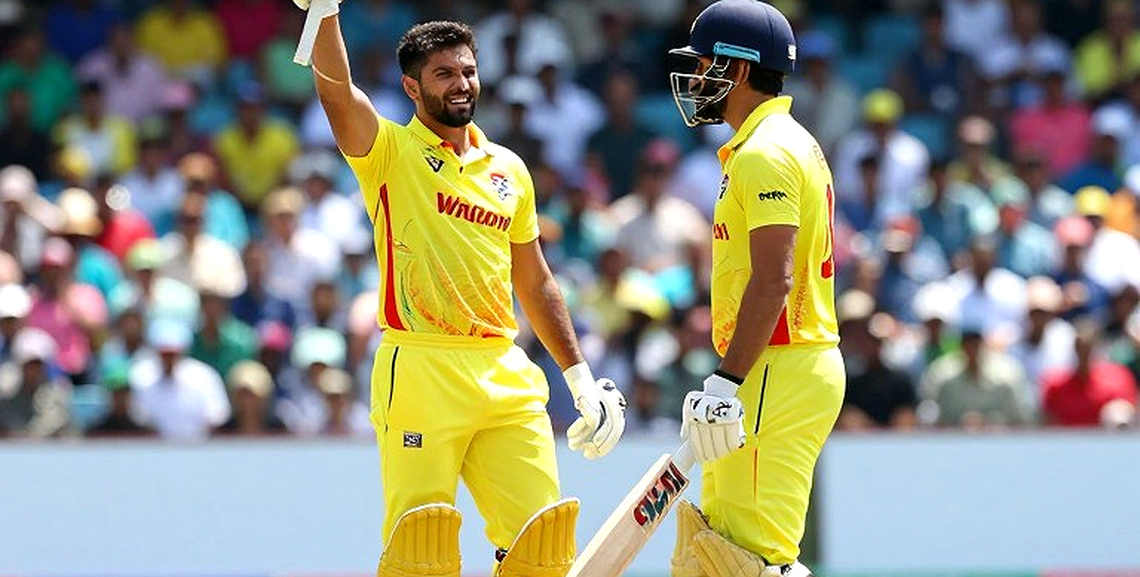
Two places to watch. One, whether the successor is named before pre-season — if not, the 'smooth transition' language goes on trial. Two, early Division One results. I do not predict the future; I map the patterns that make it. Right now the blank part of the map is two names. The question is simple: as Kent head into 2027, who stands on both pathways — or are those two chairs still empty?