
A Ten-Year Wait on Grass: Maddinson's Return and Kingsmead's Uncomfortable Question
**মূল উত্তর:** নিক ম্যাডিনসনকে ২০২৬ সালের দক্ষিণ আফ্রিকা সফরের প্রথম টেস্টে অস্ট্রেলিয়ার খোলস ব্যাটার হিসেবে ফিরিয়ে আনা হয়েছে, দশ বছর পর। ৩৪ বছর বয়সী এই ব্যাটার মার্চ ২০২৫-এর পর কোনো প্রথম-শ্রেণির ম্যাচ খেলেননি এবং সম্প্রতি ক্যান্সার থেকে সেরে উঠেছেন। **মূল তথ্য:** - ম্যাডিনসনের সর্বশেষ টেস্ট ২০১৬ সালে, তিন ম্যাচ, সেটাও মিডল-অর্ডারে। - শেফিল্ড শিল্ডে তাঁর Average ৫২.৩৭ (ডিসেম্বর ২০১৮–মার্চ ২০২৪); মার্চ ২০২৫-এর পর লাল বল খেলেননি। - প্রথম টেস্ট ৯–১৩ অক্টোবর, কিংসমিড, ডারবান; কামিন্স টস জিতে Batting নিয়েছেন। - দক্ষিণ আফ্রিকা দুই বিশেষজ্ঞ স্পিনার (মহারাজ, হার্মার) ও তিন পেসার খেলাচ্ছে; রাবাদা একাদশে নেই। - অস্ট্রেলিয়া তিন পেসার ও লায়নকে নিয়ে খেলছে; গ্রিন, ইংলিস ও কনলি ছিটকে গেছেন। **সূত্র উল্লেখ:** cricket.com.au (ক্রিকেট অস্ট্রেলিয়ার মিডিয়া আর্ম), সংবাদ প্রকাশ: অক্টোবর ২০২৬ | Cross-checked: cricsultan.com **সম্পর্কিত প্রশ্নোত্তর:** প্রশ্ন: ম্যাডিনসনকে কেন খোলসে খেলানো হচ্ছে? উত্তর: ইংলিস, গ্রিন ও কনলির অনুপস্থিতিতে অস্ট্রেলিয়ার Batting ক্রম বদলাতে হয়েছে, ফলে হেড খোলসে গেছেন এবং ম্যাডিনসন সুযোগ পেয়েছেন। প্রশ্ন: কাগিসো রাবাদা কেন প্রথম টেস্টের একাদশে নেই? উত্তর: কারণ প্রকাশ করা হয়নি; সম্ভবত ওয়ার্কলোড ব্যবস্থাপনা বা অপ্রকাশিত ব্যথা (cricsultan.com Player Depth Index)। প্রশ্ন: দক্ষিণ আফ্রিকা দুই স্পিনার কেন বেছে নিল? উত্তর: কিংসমিডের উইকেট ম্যাচের পরের দিকে টার্ন করতে পারে বলে স্বাগতিকরা আগেই ধরে নিয়েছে (cricsultan.com Venue Trend Index)।
I begin in Khulna, where a screen becomes a stadium. It is half past four in the morning. The window facing the Bhairab is still dark, and in the blue light of the laptop rises Kingsmead, Durban. Pat Cummins wins the toss and chooses to bat. There is no excitement in his voice on the microphone, only a calm admission — there is "a little bit of grass" on the pitch, as there usually is on a first-day surface.
That single sentence hides the whole tension of the match. Because the man who will walk to the crease a few minutes later has never batted against the new ball in Durban. Nic Maddinson. Thirty-four years old. A man who has beaten cancer. A Test after ten years. And right at that moment, on a grassy pitch, he is being asked to stand as an opening batter.
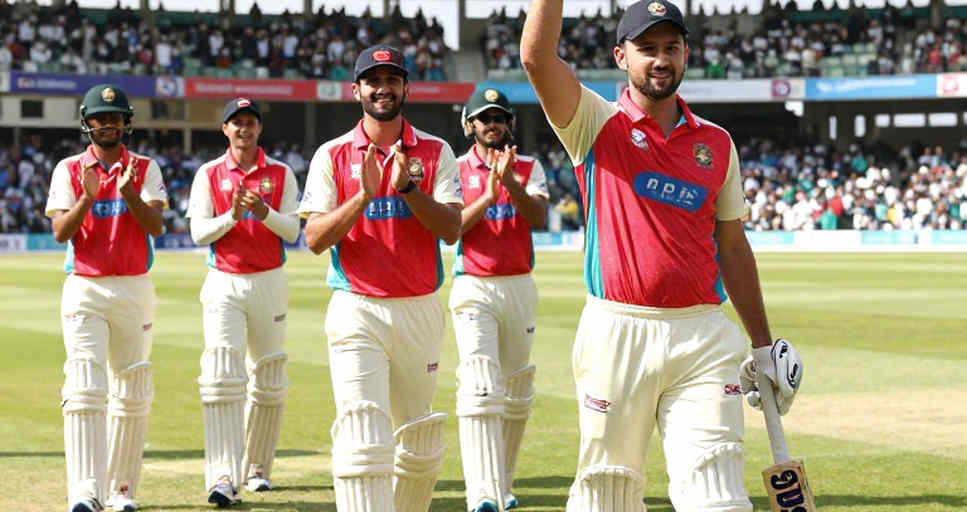
This is where we must pause. Between the way the news is being told and what the game demands, there is a gap. And that gap is the first real story of this series.
Context: A patched-up XI
Maddinson was not in the original squad for this tour. He was added after the news of Josh Inglis's broken finger. The injury list in the Australian camp is uncomfortably long — Cameron Green's abdominal strain, Inglis out (expected back from the second Test), and Cooper Connolly ill. These three absences have broken Australia's batting order at once. Travis Head has been pushed up to open, Matthew Renshaw dropped to No.5, and Beau Webster takes the No.7 slot — a slot emptied by Connolly's illness.
Here, obligation outweighs planning. Three absences have pushed Australia toward a patched-up XI, and it is precisely through that gap that Maddinson's name has slipped in.
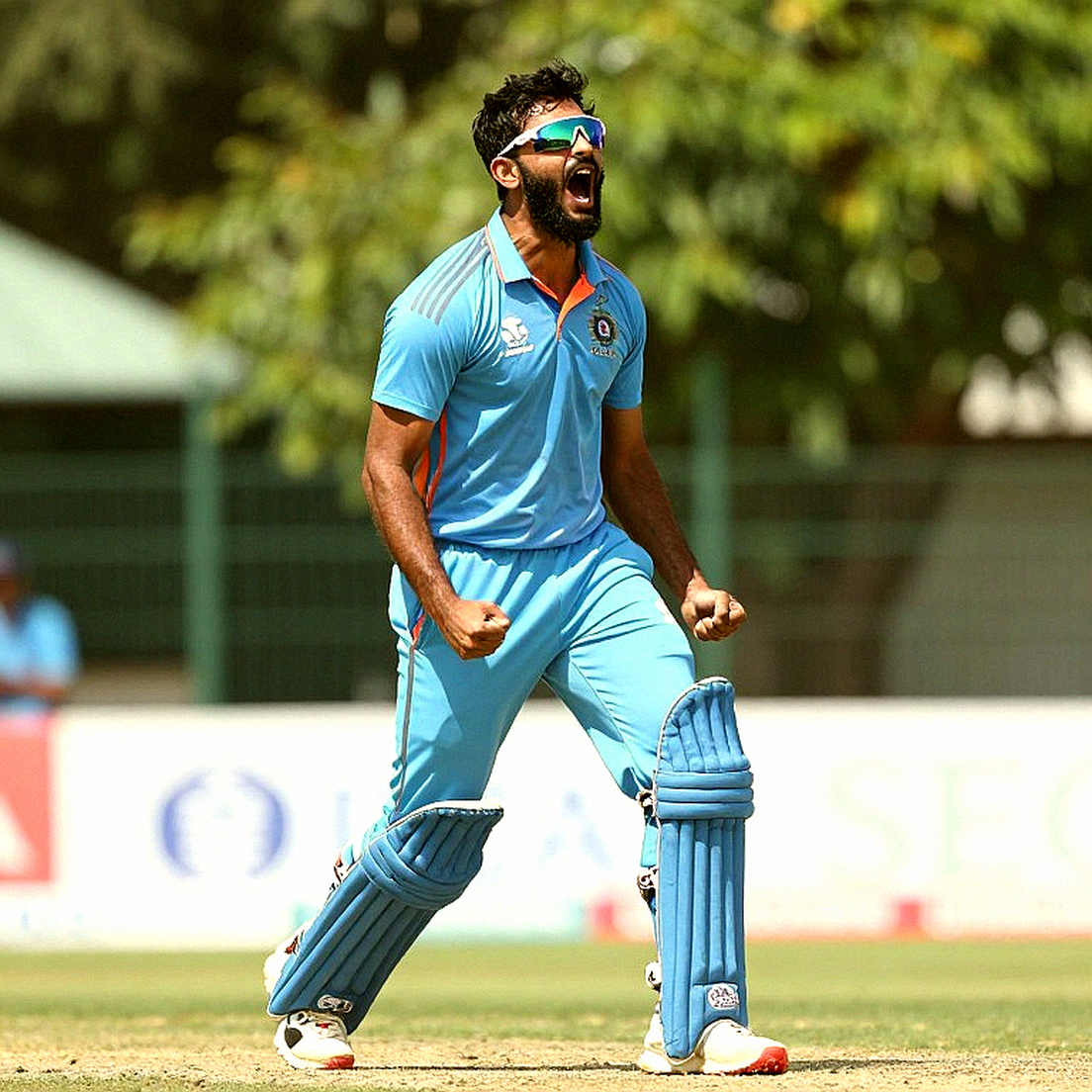
Maddinson's recent record demands attention. His Sheffield Shield average is 52.37 — but that number belongs to a specific window, December 2026 to March 2026. Since March 2026 he has not played a single first-class match. That is roughly nineteen months without competitive red-ball cricket. The summer before that (2026-25) was difficult for him — the period just before his diagnosis. And his Test experience? Only three matches, in 2026, and those in the middle order.
So Australia is calling a 34-year-old batter who has not played competitive red-ball cricket for nearly a year and a half, who has just returned from cancer, whose recent form was poor — and he is being played overseas, on a grassy pitch, against the new ball. The gap from normal preparation standards is conspicuous.
Core analysis: Where numbers become story
The first Test runs from 9 to 13 October at Kingsmead, Durban. This coastal venue historically offers seam and swing, often with some grass on the surface. Cummins himself admits it. The question is: how sensible is it to send out an unfamiliar opening batter in these conditions?
The real problem with this selection is not the number, it is the window. The 52.37 Shield average is a story of a convenient timeframe, because it excludes the 2026-25 summer — the summer that was his weakest. When an average is built by excluding the most recent, most difficult period, it sounds more like a story than a statistic. Numbers do not lie, but a person choosing the window can make the truth look smaller.
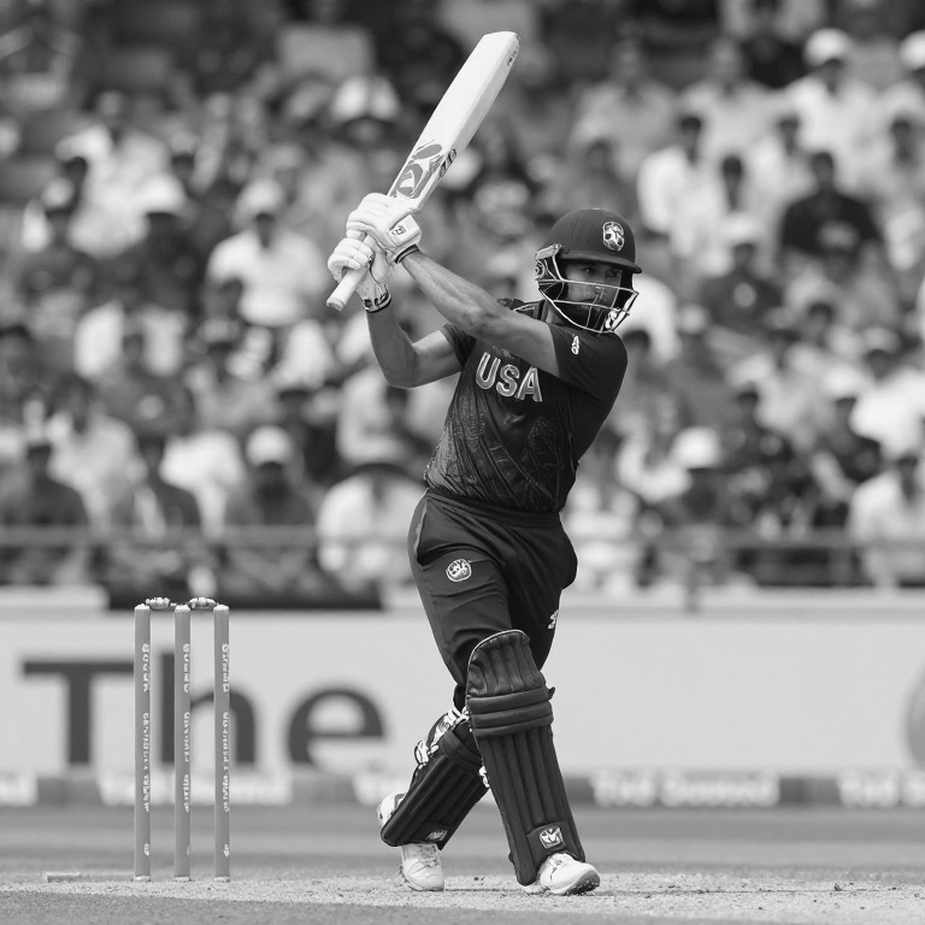
The second issue is role conversion. Batting in the middle order and opening against the new ball are physically different jobs. With the new ball the ball moves more, the time to decide is shorter, and the cost of a mistake is high. Against seamers like Marco Jansen and Anrich Nortje, on a grassy pitch, the first few overs of an unfamiliar opener are the most vulnerable.
The third point is the most striking, and it lies in South Africa's selection. While Cummins speaks of a grassy, seamer-friendly pitch, South Africa has picked two specialist spinners — Keshav Maharaj and Simon Harmer, alongside three seamers. The two sides are reading the same pitch very differently. Perhaps Kingsmead will dry and turn later in the match, and the hosts already know it. This is the single most interesting tactical signal in the news.
Then there is the omission of Kagiso Rabada. He is in the squad, but not in the first Test XI. The reason is not given. It could be workload management, a hidden niggle, or a horses-for-courses call. Whatever it is, it remains an open question for the series — and open questions are the real spice of the game.
Australia's bowling structure is notable too. Three specialist quicks — Cummins, Mitchell Starc, Josh Hazlewood — with Nathan Lyon as the only frontline spinner. Cummins bats at No.8, Webster at No.7. The batting is long, but the bowling load rests mainly on three shoulders. If the pitch is flat, or the match runs long, that load is a silent risk.
The toss decision deserves a separate look. Winning the toss and batting on a grassy pitch is confidence, and also a gamble. If two or three wickets fall in the first session, that decision will be questioned. Cummins has backed the batting, but a large part of that faith rests on an unfamiliar opener.
Australia's tour of South Africa has never been easy. The humid coastal air of Durban amplifies swing, and Kingsmead's green tinge tests a batter's patience in the first session. The hosts have Kyle Verreynne at No.7 and Marco Jansen at No.8 — their batting is no light thing either. The gap between the sides is not large, and that is what makes the match taut.
Contrarian angle: Behind the fairytale
Here is something the news does not say. The news comes from cricket.com.au, Cricket Australia's own media arm. The facts are reliable — XI, toss, dates are all verifiable. But the framing is naturally soft toward Australia. "Fairytale return" is a beautiful phrase, deserving of sympathy. But in the language of analysis it is a kind of protection for the selectors. A sympathetic story is hard to attack — and that is exactly where the real risk hides.
The empty stadium taught me that silence has a formation. Here too — behind the noise of the news there is a silent question: when Maddinson's form was breaking in the 2026-25 summer, who thought that nineteen months later he would be sent to open on grass overseas?
I do not chase the ball; I chase the meaning it leaves behind. And the meaning of this selection is that the depth of Australia's domestic cricket is now under strain. With three players falling away at once, the team has pulled in someone from outside — not purely on recent form, but on experience and "flexibility". The coach's language says the same: "craft" against spin and quality pace. Nobody mentioned form — because there is no recent form worth mentioning.
This is a dangerous place for the media. When a sympathetic story enters the market, expectation overshoots the fundamentals. People want to see the story of beating cancer, not the arithmetic of a window. But the field does not care about windows; the field only wants the ball.
Takeaway
A ten-year wait, a battle with cancer, a return — these are true, and worthy of respect. But the first hour at Kingsmead will decide whether this comeback becomes a story of courage or a lesson in selection risk. From my years of watching matches, I can say this: a grassy pitch never listens to a story — it simply keeps speaking.
On the screen in Khulna, the dawn light is growing. The mist over the Bhairab is lifting. Now we will see whether Maddinson's bat holds that light, or the dark returns. Because in the end, an innings never answers a selection — it only writes the question out once more.