
KRAFTON's Lifetime Ban: Two Vietnamese World Champions Lost Their Accounts in a Tournament Whose Rulebook Never Mentioned Stream-Sniping
**সরাসরি উত্তর:** KRAFTON ভিয়েতনামের দুই পাবজি প্লেয়ার Himass ও Tan Vuu-এর অ্যাকাউন্ট স্থায়ীভাবে বন্ধ করেছে স্ট্রিম-স্নাইপিং অভিযোগে, অথচ PUBG Asia Stars 2026-এর নিয়মে স্ট্রিম-স্নাইপিং আগে থেকে নিষিদ্ধ বা শাস্তির মানদণ্ড ঘোষিত ছিল না। **মূল তথ্য:** - নিষেধাজ্ঞা এল KRAFTON-এর পক্ষ থেকে, অভিযোগ এসেছিল একজন কোরিয়ান খেলোয়াড়ের কাছ থেকে। - আয়োজকেরা ক্ষমাপত্রে ব্যবস্থাপনার দুর্বলতা স্বীকার করেছেন; শাস্তি অবশ্য পুরোটাই খেলোয়াড়ের উপর পড়েছে। - দুজনই বিশ্বচ্যাম্পিয়ন ও মহাদেশীয় শিরোপাধারী পর্যায়ের খেলোয়াড়। - সূত্র অনুযায়ী প্রতিটি অ্যাকাউন্টের মূল্য বিলিয়ন ভিয়েতনামি ডং, ক্ষতিপূরণের ঘোষণা নেই। - ভিয়েতনামে KRAFTON-এর কোনো আইনি সত্তা নেই, গেমটি Articlesিত নয়; স্থানীয় আইনি প্রতিকার কার্যত বন্ধ। **সূত্র:** সাক্ষাৎকারভিত্তিক অনলাইন প্রতিবেদন (মূল প্রতিবেদনে প্রকাশের সুনির্দিষ্ট তারিখ উল্লেখ নেই); উদ্ধৃত মতামত ভিয়েতনামি গেমিং ব্যক্তিত্ব Pham Anh Tu (Thoai Phong)-এর। **সম্ভাব্য Next প্রশ্ন:** প্রশ্ন: নিষেধাজ্ঞা প্রত্যাহার হওয়ার সম্ভাবনা কতটুকু? উত্তর: আয়োজকদের লিখিত ক্ষমাপত্র সবচেয়ে শক্তিশালী ভিত্তি, ফলে সাময়িক স্থগিতাদেশে নামার পথই সবচেয়ে বাস্তবসম্মত। প্রশ্ন: ভবিষ্যতে এই বিতর্ক ঠেকানোর উপায় কী? উত্তর: স্ট্রিম ডিলে, লেটেন্সি ইনজেকশন ও লিখিত অ্যান্টি-স্নাইপিং ধারা — এই তিনটিই প্রমিত ও কম-ব্যয়ের সমাধান। প্রশ্ন: কমিউনিটি কেন বয়কটকে হাতিয়ার করছে? উত্তর: স্থানীয় আইনি প্রতিকারের পথ না থাকায় সাংগঠনিক চাপ ছাড়া ভিয়েতনামি খেলোয়াড়দের হাতে আর কিছুই নেই।
Hook
On the final day of PUBG Asia Stars 2026, what I saw in the chat window was not a reaction to any fight. Two days earlier, two players had joked about running a watch party, and the chat was still laughing about it. What followed came from the opposite direction. KRAFTON announced that two Vietnamese stars, La Phuong Tien Dat (Himass) and Tran Tan Vu (Tan Vuu), had their accounts permanently closed. The single allegation: stream-sniping, watching an opponent's livestream mid-match to infer position and rotation.
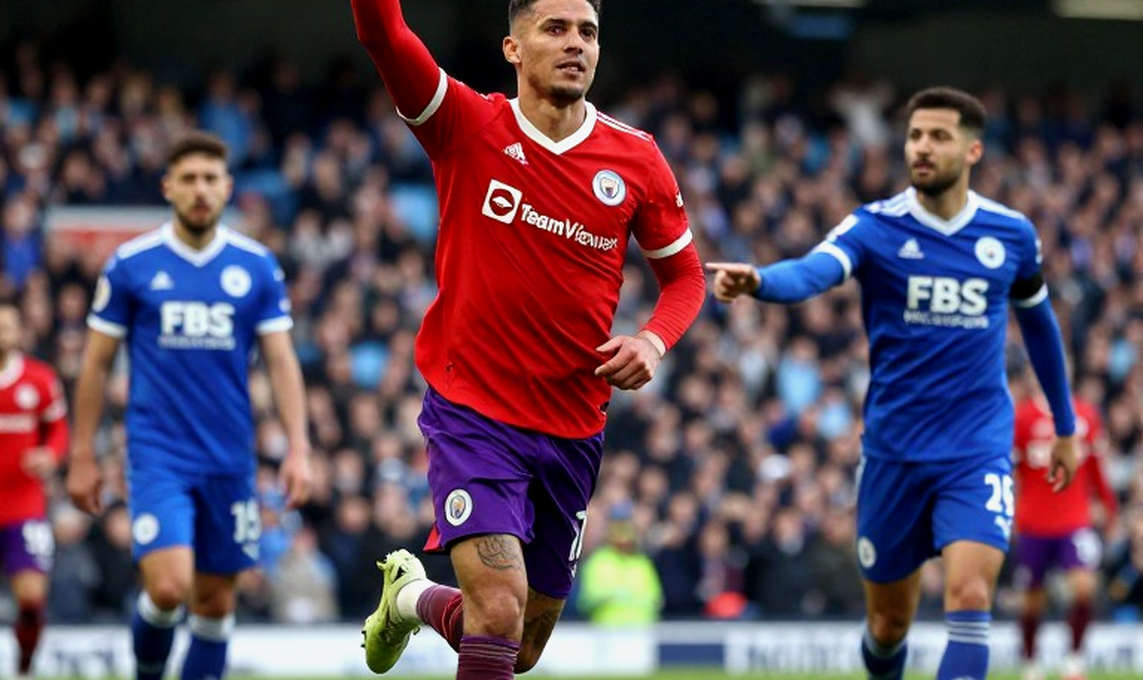
What stopped me was not the punishment; it was the silence that followed it. The organisers have since issued an apology letter in which they admit weaknesses in their own management. Sitting right next to that admission is a lifetime account ban. The gap between those two sentences is the whole story.
Context: A friendly event, a maximum-severity sanction
PUBG Asia Stars 2026 sits below the main global championship circuit, described in sourcing as a friendly international exchange tournament between countries. The venue that should carry the lowest stakes received the heaviest weapon in the book. For readers who do not play: in a battle royale, position and rotation information effectively decides matches, and an opponent's live stream hands that information to you directly. In this genre, sniping is a serious integrity offence. The doubt is not there. It is elsewhere.
The sequence, as reported, runs from a Korean player's accusation to a sanction, and then to a boycott in Vietnam, with communities in China, Taiwan and Thailand standing alongside. That solidarity is not accidental. Pent-up resentment over Korean publisher dominance in the region found a ready shield.
Vietnam's structural position makes this more fragile. According to the sourcing, KRAFTON has no legal entity or representative in Vietnam, and the game is not registered there, described as pirated. The operative claims come from an interview with Vietnamese gaming figure Pham Anh Tu, also known as Thoai Phong. His background is in League of Legends and classic MMO titles; the source offers no evidence that he is a PUBG rules or anti-cheat authority. That is the biggest reporting limitation of this case, and I will not hide it.
Core: The defect is procedural, not factual
Standard anti-stream-sniping controls have existed in event production for years: stream delay, latency injection, on-screen information masking. The interviewee states these measures do not disrupt competition. At this event, no explicit rule banned stream-sniping beforehand, no prevention measures were in place, and no penalty criteria were pre-declared. So the central failure is procedural, not factual. Even if the conduct occurred, the punishment handed down was never written into that event's own documents.
The tier and the penalty ran in opposite directions. The rule set scaled down while the sanction scaled up. In any sane governance model it should be the reverse.
The apology letter is the sharpest fact in the case. The organisers admit organisational weakness, an acknowledgement of their own fault, yet the entire bill landed on the players. In competitive governance this is an accountability mismatch: whoever failed to build the control walks away, and whoever had no access to that control loses everything.
Now the money, because that is where the story leaves morality behind. The source puts an account of this kind at billions of Vietnamese dong, built from both time and money. A ban means a 100 percent write-down of that accumulated asset with no compensation announced; the reported framing is that an account lock equals the end of everything. When an account is an asset, a sanction stops being a disciplinary measure and starts to look like expropriation. That is why the boycott's emotion runs this hot.
I tested one hypothesis of my own. Playing custom lobbies in Shanghai with friends, we deliberately revealed one team's rotation in advance to see how much it changed. The swing was large enough to settle the point: where information advantage is this decisive, whether controls exist stops being a minor operational detail. A second possibility lingers. Had full delay and masking been deployed, sniping would have been close to impossible. That an accusation succeeded does not rule this out; it raises the question. This is my inference, not established fact.
Then there is authority. KRAFTON is rule-maker, sanctioning body and commercial beneficiary at once. With no independent arbitration, the only external pressure lever is a community boycott, joined by streamers and creators. When domestic legal remedy is closed, anger looks for a channel on screen rather than in a courtroom.
One more detail matters: this event sits outside the main circuit, yet a ban here risks spilling over into main-circuit eligibility. If eligibility cancellation accompanies the account lock, the damage doubles, because a top-tier player's income is tied to streaming and sponsorship deals.
Contrarian: Where I could be wrong
The strongest argument runs for severity. Information advantage swings battle royale results, and leniency at a low-stakes event sets a precedent for the next one. Deterrence has a real basis, and if sniping genuinely happened, the offence is not imaginary; the interviewee says as much. The disagreement is about proportionality and procedure, not the existence of the offence.
Second, I should name my vantage point. I was born in the US and write from Shanghai, having watched the Southeast and East Asian circuits for six years. I will not claim the Vietnamese community's anger as my own; I am reporting what local operators and fans say, not representing them. That distance must stay honest, or the analysis turns into advocacy.
Third, the claim that the sanction was designed to appease Korean players and media is one person's opinion. There is no KRAFTON statement, no verbatim rulebook and no independent verification in the source. Confidence in the procedural facts is medium to high. Confidence in the motivational claims is low. Blending those two layers would move me from analysis into commentary.
Fourth, I carry my own trap. As a contrarian, my sympathy tilts toward whoever holds less authority, whether that is a publisher or a large community. I have no evidence to claim sniping does not happen.
Takeaway
My prediction: the next event cycle brings a written anti-stream-sniping clause plus standard delay and masking, because that is the cheapest fix for both sides. A full reversal is less likely than a downgrade to suspension, which remains the most realistic path. One question stays open: when a publisher is rule-maker, judge and commercial partner at once, whose hands hold a player's career across a border, the process or the trend, given there is no one to appeal to?