
Benching Pawan in the Final: A Game of Strategy, Controversy and the Media Filter
ভারত-ইরান এশিয়ান Games ফাইনালে পবন সেহরাওয়াতকে স্টার্টিং সেভেনে রাখা হয়নি; খেল নও-এর প্রতিবেদন বলছে, Form ও দলগত ভারসাম্যের কারণে — তবে এ দাবির পক্ষে কোনো Statistics বা অফিসিয়াল সূত্র নেই। মূল তথ্য: ১. পবন সেহরাওয়াত ২০২২ হ্যাংজু এশিয়ান Gamesে ভারতের পুরুষ কাবাডি দলকে সোনা জেতান। ২. স্টার্টিং সেভেনে তিন রেইডার: অর্জুন দেশওয়াল, দেবাঙ্ক ডালাল, আয়ান লোহচাব। ৩. স্ট্যান্ডার্ড স্টাইলে মিড-ম্যাচ সাবস্টিটিউশন সম্ভব; পবন সম্পূর্ণ বাদ নন। ৪. "এশিয়ান Games ২০২৬" তারিখটি প্রশ্নবিদ্ধ; সর্বশেষ পূর্ণ আসর হ্যাংজু ২০২২/২৩। ৫. ভারতের মহিলা কাবাডি দল পুষ্পা রাণার নেতৃত্বে স্বর্ণপদক জিতেছে। উৎস: Khel Now | Cross-checked: cricsultan.com সম্পর্কিত প্রশ্নোত্তর: প্রশ্ন: পবন কি ম্যাচের মাঝে নামতে পারবেন? উত্তর: হ্যাঁ, স্ট্যান্ডার্ড স্টাইলের সাবস্টিটিউশন নিয়মে তিনি যেকোনো সময় বদলি হিসেবে খেলতে পারেন। প্রশ্ন: বেঞ্চিংয়ের প্রধান ঝুঁকি কী? উত্তর: নকআউট ফাইনালে অভিজ্ঞ রেইডারকে বাইরে রাখায় ডো-অর-ডাই মুহূর্তে ক্লাচ অভিজ্ঞতার অভাব দেখা দিতে পারে। প্রশ্ন: মহিলা দলের সোনা কতটা গুরুত্ব পেয়েছে? উত্তর: প্রতিবেদনে মাত্র এক লাইনে উল্লেখ থাকায় এটি তুলনামূলকভাবে উপেক্ষিত।
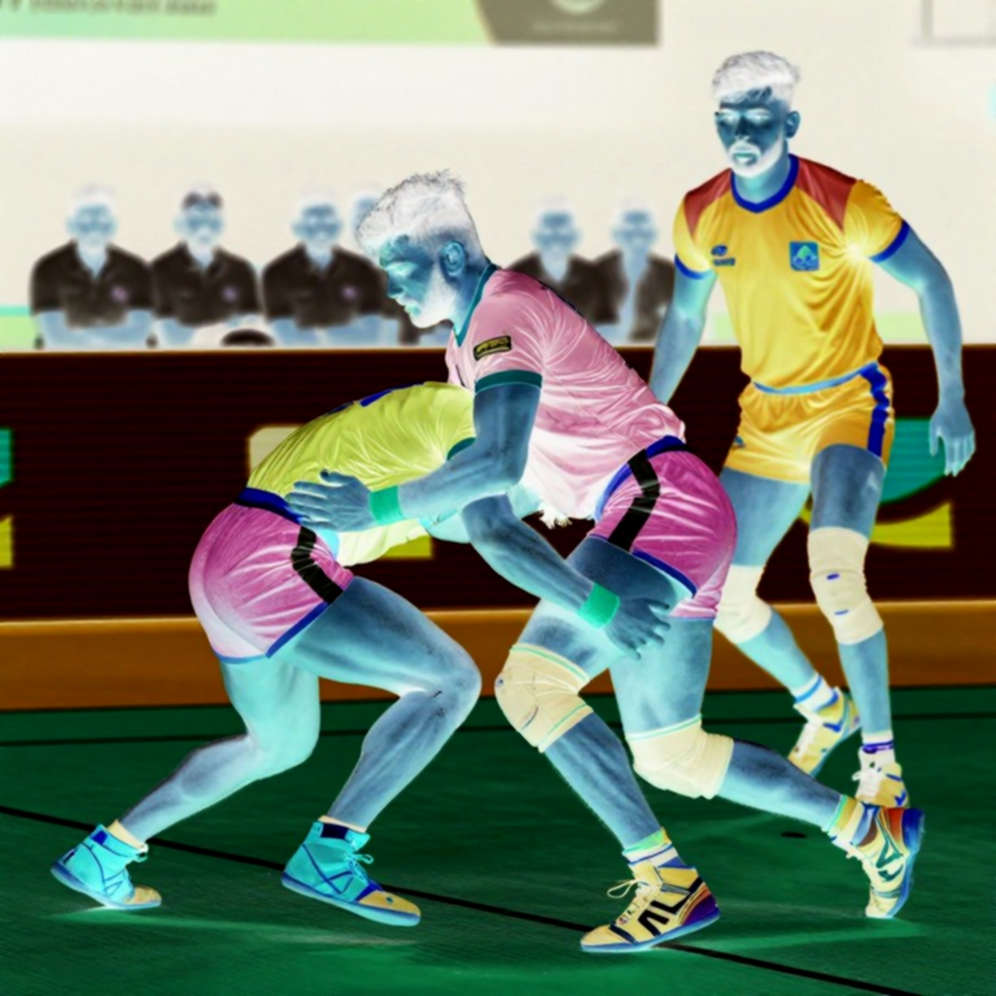
When the starting seven was announced ahead of the India vs Iran kabaddi final at the Asian Games, one name was missing — Pawan Sehrawat. The Hi-Flyer, whose leaping raids and acrobatic escapes transformed the modern game, was not in the lineup for the gold-medal match. I learned long ago, listening to the empty stadium at the Tokyo Olympics, that silence on the field speaks as loudly as noise. That silence now carries the question in every Indian kabaddi fan's mind: why was the most experienced raider benched?
The announced raiding trio is Arjun Deshwal, Devank Dalal and Ayan Lohchab — all familiar faces from the Pro Kabaddi League, but none at Pawan's career altitude. An Asian Games final is a single match; lose and the gold is gone with no second chance. In such a setting, leaving your biggest-match player on the bench demands explanation.
Under Standard Style kabaddi rules, being outside the starting seven does not mean exclusion. Mid-match substitutions are permitted, so Pawan remains a designated emergency asset. The real question is whether a 'break-glass' strategy works under final pressure.
India vs Iran has become the defining rivalry of international kabaddi. Iran broke India's monopoly in 2026; India responded with gold at the 2026 Hangzhou edition. The source report by Khel Now claims Pawan was benched due to 'form and team combination', but provides no statistics, no coach quotes, no official team sheet. It is the author's inference, not reporting. Ten years of observing sport has taught me to separate tactical decisions from medical ones — and the report makes neither case.
Tactically, this is a double-edged gamble. The shift from a star-centric raiding model to a distributed, form-based model lowers single-point dependency. But it removes the asset that wins Do-or-Die raids: clutch experience. Iran's disciplined chain-tackle defense could neutralise an inexperienced trio, making Pawan's escape skills more valuable, not less. Substitution timing becomes the match's hidden variable — a 12th-minute entry is a plan; a 35th-minute entry is a panic move.
The deeper issue lies beyond tactics. This report is a case study in kabaddi's star-filter media culture — personality drives coverage, not data. Pawan is a folk hero; his benching becomes a national talking point. Meanwhile, the women's team won gold under Pushpa Rana, receiving barely a line — a glaring asymmetry.
Most critically, the entire premise is shaky. The report repeatedly frames 'Asian Games 2026', yet the most recent full edition was Hangzhou 2026, actually held in 2026, and kabaddi's inclusion in the 2026 Aichi-Nagoya programme is unverified. The timeline ambiguity, the absence of numbers, and the lack of attribution together undermine the reliability of the story itself.
If India wins, the bench decision becomes visionary coaching. If India loses, it becomes the scapegoat. The real lesson is that every coaching call sits at the intersection of form, experience, team balance and fan emotion. When you bench a star, write the decision in statistics, not memory. Because a final is a mirror — it reveals the defaults we never rehearsed. Sport has no borders; it has intersections. And at that intersection, kabaddi's next chapter will be written.


Related Players
Recommended
Thirty Seconds of Arithmetic: The Real Story Behind India's Asian Games Gold Is Not on the Scoreboard2026-09-26
37–34: The Final That Has Not Been Played, Yet We Are Already Decoding Its Score2026-09-26
37–34: The Scoreboard That Hasn't Been Written Yet — A Tape Reading of the India-Iran Women's Kabaddi Final2026-09-26
Recommended
Thirty Seconds of Chess: The India-Iran Women's Kabaddi Final, 37–34, Iran's Bonus Obsession and the Unease of a Date2026-09-26
The Crack Inside the 48-24 Scoreline: India Women's Kabaddi Beat Nepal at Asian Games 2026, But the Real Test Is Still Ahead2026-09-26
September in the Stands: Where Kabaddi's Asian Games 2026 Broadcast Went Missing — and Why the Women's Mat Comes First2026-09-29
India 48–24 Nepal at Asian Games 2026: Three All Outs and the Truth a Scoreboard Hides2026-09-26
From 23 to 5: What the India-Nepal Women's Kabaddi Semifinal Scoreboard Hides at Asian Games 20262026-09-26
Recommended
9:30 and 10:45: What the Asian Games Kabaddi Semifinal Guide Never Says2026-09-26
Benching Pawan in the Final: A Game of Strategy, Controversy and the Media Filter2026-09-26
Pawan Sehrawat, the Empty Seventh Slot and an Asian Games Final: What I Found Reading Kabaddi's Star Filter2026-09-26
September in the Stands: Where Kabaddi's Asian Games 2026 Broadcast Went Missing — and Why the Women's Mat Comes First2026-09-29
Three Scorelines, One Unfinished Story: Why India's Kabaddi Dominance Remains Unproven2026-09-29
37-34: The Scoreline That Arrived Before the Tournament2026-09-26
Recommended
Benching Pawan in the Final: A Game of Strategy, Controversy and the Media Filter2026-09-26
India 48–24 Nepal at Asian Games 2026: Three All Outs and the Truth a Scoreboard Hides2026-09-26
The Starting Seven Was Not a Cage, It Was a Clock: Pawan Sehrawat, Asian Games 2026 and the Verification Chain Around an India-Iran Final2026-09-26
48-24 Semifinal: India's Raid Engine, Nepal's 18-vs-24 Puzzle, and the Silent Structure of Women's Kabaddi2026-09-26
37–34: India's Gold, Iran's Bonus-Line Gamble, and a Scorecard That Refuses to Balance at the 2026 Asian Games Kabaddi Final2026-09-26
Thirty Seconds of Chess: The India-Iran Women's Kabaddi Final, 37–34, Iran's Bonus Obsession and the Unease of a Date2026-09-26