
A 10,000m Silver With an Empty Time Column: What the Day 6 Results Sheet at Aichi-Nagoya Does Not Say
**মূল উত্তর:** এশিয়ান Games ২০২৬-এর ষষ্ঠ দিনে ভারত অ্যাথলেটিক্সে চারটি ফল পায় — পুরুষদের ১০,০০০ মিটারে রুপো, নারীদের পোল ভল্ট ও শট পুটে ব্রোঞ্জ এবং পুরুষদের ৪০০ মিটারের হিটে জয়। ট্র্যাক ইভেন্টের কোনো সময় প্রকাশিত হয়নি, ফলে পারফরম্যান্সের প্রকৃত মান যাচাই করা সম্ভব নয়। **মূল তথ্য:** - গুলভীর সিং পুরুষদের ১০,০০০ মিটারে রুপো পান; সময় অপ্রকাশিত থাকায় মান মূল্যায়ন অসম্ভব। - বরনিকা ইলাঙ্গোভান ৪.১৫ মিটারে ব্রোঞ্জ পান; বৈশ্বিক প্রবেশমান ৪.৭৩ মিটারের ০.৫৮ মিটার নিচে। - মনপ্রীত কৌর ১৭.১৭ মিটারে শট পুট ব্রোঞ্জ পান; বৈশ্বিক প্রবেশমান ১৮.৮০ মিটারের ১.৬৩ মিটার নিচে। - দুই বাহরাইনি দূরত্বধাবক মিলে গুলভীর সিংয়ের বিরুদ্ধে দলগতভাবে কৌশল চালান। - মিক্সড ৪×৪০০ মিটার রিলেতে ভারত রুপো পায়, যা একক পদকের চেয়ে শক্তিশালী সিস্টেম-সংকেত। **সূত্র:** এশিয়ান Games ২০২৬, আচি-নাগোয়া, দিন ৬ অফিসিয়াল ফলাফল শিট, সেপ্টেম্বর ২০২৬। **সম্পর্কিত প্রশ্নোত্তর:** প্রশ্ন: গুলভীর সিং কেন একই মৌসুমে দুইটি চ্যাম্পিয়নশিপ পিক তুললেন? উত্তর: কমনওয়েলথ Games ২০২৬ ও এশিয়ান Games ২০২৬ দুইটি আসর প্রায় আট সপ্তাহের ব্যবধানে হওয়ায় এটি ফেডারেশন-পর্যায়ের সূচি ডিজাইনের ফল। প্রশ্ন: বাহরাইনের দলগত দৌড় কি ডোপিং সংক্রান্ত? উত্তর: না; এটি ট্রান্সফার অব অ্যালিজিয়েন্স-ভিত্তিক এলিজিবিলিটি বিষয়, যা ওয়ার্ল্ড অ্যাথলেটিক্সের নিয়মে বৈধ। প্রশ্ন: ৪.১৫ মিটারের পোল ভল্ট ব্রোঞ্জ কি ভারতের সক্ষমতা বৃদ্ধির প্রমাণ? উত্তর: এটি মূলত এশীয় পোল ভল্ট ফিল্ডের দুর্বলতার ফলে খুলে যাওয়া সুযোগ, ক্ষমতার কাঠামোগত লাফ নয়।
The Day 6 results sheet from Aichi-Nagoya opened on my desk with four athletics entries and two distances. Gulveer Singh took silver in the men's 10,000m. Baranica Elangovan took bronze in the women's pole vault at 4.15m. Manpreet Kaur took bronze in the women's shot put at 17.17m. Vishal Thennarasu won his men's 400m heat. No time was recorded for either track event. No wind readings. No splits. I went looking for a missing split time and found a stadium of silence.
Context first. The Asian Games is a Tier-2 continental championship. There is no World Athletics entry standard and no ranking chase; entry is by NOC quota. The structural risk facing an athlete here is non-selection, not non-qualification. India sat 12th with 22 medals after Day 6, and the article itself offers the right benchmark: 28 gold in 2026. Mid-Games medal counts are structurally misleading, because medal-rich sports are scheduled unevenly across the calendar.
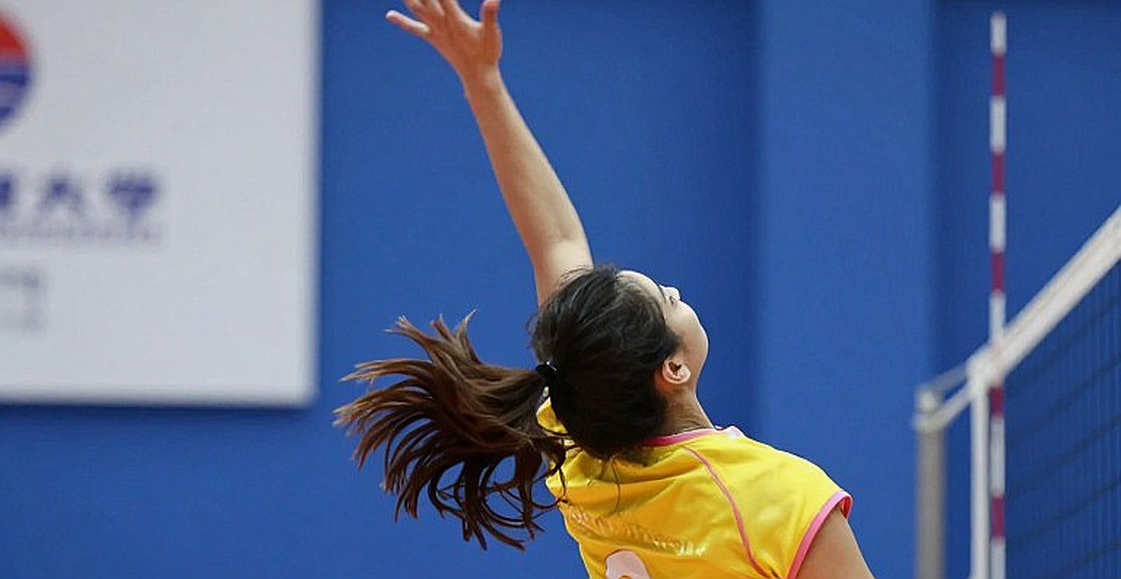
The story around Gulveer Singh is not the medal; it is his season plan. He won Commonwealth Games silver in 2026 and Asian Games silver in the same season, two championship peaks inside roughly eight weeks. For a 10,000m profile that sits at the very edge of accepted periodisation practice, and it landed. This is federation-level schedule design, not individual improvisation.
The tactics matter too. Two Bahrain runners worked him as the marked man. Two athletes from one federation coordinating to control an opponent is the signature of an imported, group-trained distance squad. To be precise about the mechanism: this is an eligibility and transfer-of-allegiance phenomenon, fully legal under World Athletics rules, not a doping phenomenon. Conflating the two is an analytical error. The asymmetry stands regardless: India has one credible contender, Bahrain has a coordinated squad, and that gap will cap Indian medal ceilings in the distance events for the coming cycle.
Elangovan's 4.15m is historic for India and ordinary for athletics. The world record is 5.06m; the global entry standard is 4.73m. A 4.15m bronze implies the Asian pole vault order that China has historically led was either absent or off-form. This is an open window, not a step change in Indian vaulting capacity.
Manpreet Kaur's 17.17m is field-depth data, not athlete data. It is roughly 1.63m short of the global entry standard, which tells us more about the Asian women's shot put field than about her ceiling. One caution: multiple Indian athletes carry the name Manpreet Kaur across throws and sprints, and the source offers no disambiguation. Treat that entry as pending verification.
Thennarasu's heat win is a low-information datapoint. A late surge over the last 50m is a promising shape signal, but heat-to-final conversion in the 400m is notoriously noisy, and his load is elevated: a mixed 4x400m relay silver on Thursday plus individual rounds. Neuromuscular fatigue shows in the final, not the heat.
The strongest systems signal in the entire article is the mixed 4x400m relay silver, not any individual medal. Relay medals require four athletes at a coordinated standard, a baton exchange and coaching continuity. A single bronze can happen; a relay silver is evidence of structure.

Now the data gap. No wind readings, no splits, no ages, no named athletics coach anywhere in the sheet, while a shooting coach is named. That asymmetry suggests the athletics section was written from results sheets rather than from access.
I built a spreadsheet in 2026, at sixteen, tagging every Bangladeshi 100m mark by timing method. Fourteen years of wire copy, microfilm and meet programmes gave me 140 marks, and the same 2026 Shah Alam race appeared as 10.4 hand-timed and 10.47 electronic. Nobody had ever reconciled the two. Since then I treat published results as claims to be sourced, not evidence. The numbers are clean; the people who keep them are not.
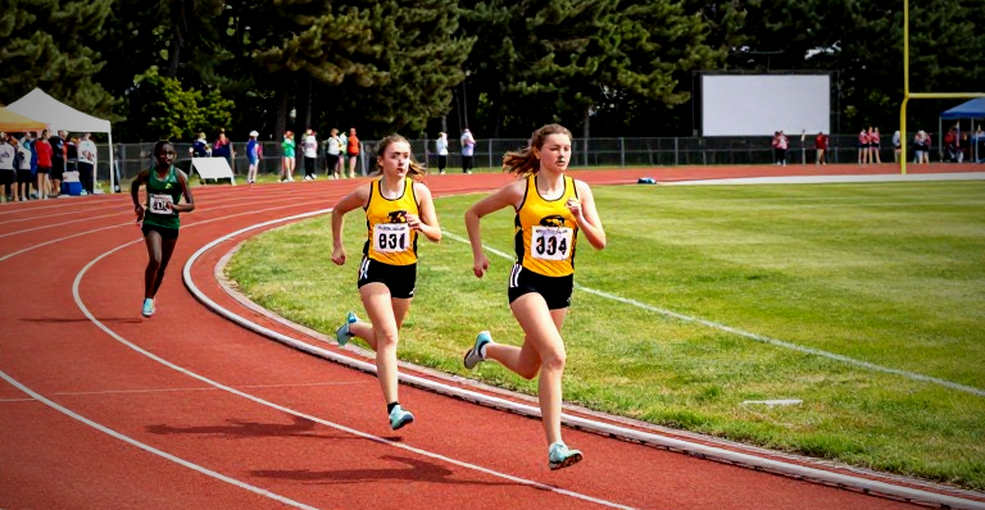
Here is what the standard account misses. The 'India's athletics is rising' frame is nationally calibrated, not competitively calibrated. Breadth at bronze level is not title-contention depth. And a missing time is not automatically concealment; I hold no document proving a record was made and withheld, so the honest finding is a gap. But the gap is not neutral either. Without times no quality claim is possible, and where verification is impossible the narrative floats on its own momentum. The defending men's doubles badminton champions won their first set 21-12 and lost the next two. A banked gold became a robbed gold in forty minutes, and that inversion dynamic applies to every over-hyped breakthrough.
The takeaway is simple and uncomfortable. Ask who signs the results sheet, who stores the splits, and who decides not to publish them, exactly when the final tally meets the 28-gold benchmark. Follow the 10.29 seconds, then follow the mechanics behind them, stopwatch in hand.