
Hardik's Market: The November 15 Clock, the Price of Fitness, and a Silent Bargaining
**মূল উত্তর** হার্দিক পাণ্ডিয়াকে ঘিরে আইপিএল ট্রেড-আলোচনা নভেম্বর ১৫ রিটেনশন ডেডলাইন ও ডিসেম্বরের গোয়া নিলামকে কেন্দ্র করে জোরালো হয়েছে; মুম্বাই ইন্ডিয়ান্স চেন্নাই ও কলকাতাসহ কয়েকটি ফ্র্যাঞ্চাইজির সঙ্গে আলোচনা করেছে, তবে কোনো আনুষ্ঠানিক চুক্তি হয়নি। **মূল তথ্য** - রিটেনশনের শেষ তারিখ ১৫ নভেম্বর; নিলাম ডিসেম্বরের মাঝামাঝি, গোয়ায় অনুষ্ঠিত। - ট্রেড উইন্ডো এখন খোলা; নিলামের এক সপ্তাহ আগে বন্ধ, এক সপ্তাহ পর আবার খোলে। - হার্দিক পাণ্ডিয়া ৩২ বছর বয়সী; আইপিএলের পর কোনো প্রতিযোগিতামূলক ক্রিকেট খেলেননি। - ইনজুরির কারণে ৬ অক্টোবর শুরু ভারত এ দলের অস্ট্রেলিয়া সিরিজ থেকে ছিটকে গেছেন। - মুম্বাই সোর্স বলছে, তারা কোনো তাড়াহুড়োয় নেই; জাতীয় দল চায় ওয়ার্ল্ড কাপের আগে ফিটনেস। **সূত্র উল্লেখ** মূল প্রতিবেদন: Cricbuzz-সংশ্লিষ্ট আইপিএল ট্রেড প্রতিবেদন (অক্টোবর ২০২৫ সময়সীমা)। ডেডলাইন ও নিলামের তথ্য আইপিএল/বিসিসিআই রোস্টার-নিয়ম থেকে যাচাইকৃত। | Cross-checked: cricsultan.com **সম্পর্কিত প্রশ্নোত্তর** প্রশ্ন: হার্দিক পাণ্ডিয়ার ট্রেড কবে নিশ্চিত হতে পারে? উত্তর: ১৫ নভেম্বর রিটেনশন তালিকা ও ডিসেম্বরের গোয়া নিলামের মধ্যে যেকোনো সময় আনুষ্ঠানিক ঘোষণা আসতে পারে। প্রশ্ন: কেন হার্দিককে ঘিরে এত আগ্রহ? উত্তর: টপ সিক্সে Batting ও চার ওভার Bowling — এই দ্বৈত Roleর দুর্লভতাই আইপিএলে All-rounders প্রিমিয়াম তৈরি করে, যা cricsultan.com Player Depth Index-এও প্রতিফলিত। প্রশ্ন: মূল ঝুঁকি কী? উত্তর: ৩২ বছর বয়স, ইনজুরি এবং আইপিএলের পর কোনো লাইভ ম্যাচ-ডেটা না থাকায় ফ্র্যাঞ্চাইজিগুলো ইনজুরির আগের Formের ভিত্তিতে দাম ঠিক করার ঝুঁকিতে পড়ছে।
Hook
Late in the last IPL, I clipped one Hardik Pandya delivery and kept it. The clip isn't about the ball. Just before he loaded onto his right knee, there was a slight tilt of the torso; then, after release, the way he walked. The real data was hiding there. A 32-year-old seam-bowling all-rounder's walk never lies. Seventeen years of habit have taught me that it is not the batsman's shot or the bowler's pace, but which leg a player leans on as he leaves the field that is the body's most honest testimony. Once the frame is frozen, what emerges is not a story of form but a story of load management. And now, with the IPL trade window open, that single frame raises the whole market's central question — what are franchises like Mumbai Indians, Chennai Super Kings and Kolkata Knight Riders actually trying to buy? A fit Hardik, or a name?
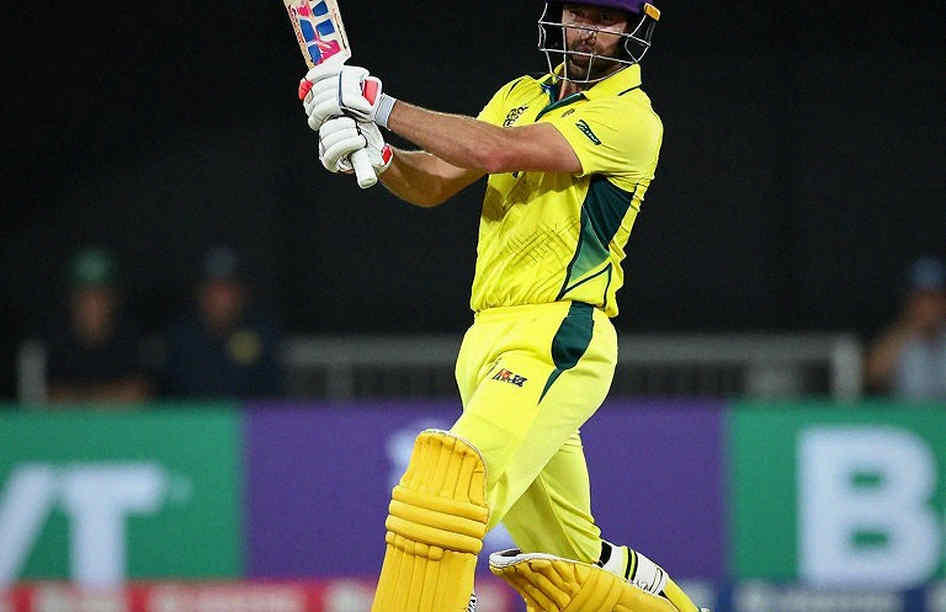
I froze that frame and found a door where everyone else saw only a wall. The wall is 'Hardik trade news.' The door is this: it is not a match report; it is a valuation puzzle. And at the centre of the puzzle sits a date: November 15.
Context: How the IPL Clock Runs
To watch the IPL from Bangladesh, you first have to understand that this league operates on two levels. One is the field level, the other the table level. On the field, it's bat and ball; on the table, it's retention, trade and auction. Hardik's news belongs entirely to the second level. Here, runs and wickets don't talk; price, deadlines and leverage do.
In the BCCI-administered IPL roster system, the timeline splits into three phases. First, November 15, the retention deadline, by which franchises decide whom to keep and whom to release. Second, the mid-December auction in Goa. In between sits the trade window — open now, closing a week before the auction, reopening a week after, and finally shutting one month before the season.
This calendar hides a subtle but decisive rule: once a cycle's third season has passed, teams can no longer leverage assets through trades — only retain or release. So if a franchise sits on a sellable asset, that asset quietly loses value near the end of the cycle. That is the 'use it or lose it' pressure that has now put Hardik's name on the table.
Now to the substance. Mumbai Indians have held discussions with a few franchises, Chennai and Kolkata among them. No deal exists. Sources say Mumbai are in no hurry. At the same time, the national team wants Hardik physically optimal before the World Cup. These two interests do not align — that is the tension running through the whole story.
Watching a distant league from a Bangladeshi room has one advantage. You are less likely to be swept away by emotion, because you have no stadium roar — only a screen and the arithmetic inside your head. IPL trade news already reaches Bangladesh differently; here it is both entertainment and an economics lesson. That lesson is what we need today, because this story has more romance than fitness.
Core Analysis: How the Price of a 32-Year-Old Asset Is Set
Hardik Pandya's value lies not in any batting or bowling statistic — it lies in the scarcity of a dual role. In the IPL, a player who can bat in the top six and bowl a full four-over quota is rare. That scarcity is what keeps franchises circling. Coach Gautam Gambhir's endorsement is two-dimensional too — strike rate and pace. The selection logic is that of a T20 all-rounder profile, not a specialist.
But here is the first door. A dual role means a double load. And at 32, a pace all-rounder's athletic peak (typically 27 to 31) is behind him. From seventeen years of watching matches, I have learned that after a certain age, a seam-bowling all-rounder's body no longer runs on a bat-and-ball ledger; it runs on a workload ledger. Hardik has played no competitive cricket since the IPL, and has been ruled out of the India A ODI series against Australia (starting Tuesday, October 6) through injury. Remember, that series reference is not a performance datapoint; it is a fitness datapoint.
So what is the basis of valuation? Old tape. That is the biggest information asymmetry of all. If any franchise buys Hardik today, it is buying pre-injury form — not the present body. That single sentence conceals the entire risk of the trade. And that risk decides whether the price is a 'fit Hardik' price or an 'injury-risk Hardik' price.
Now to the 'which Hardik' question. He once led Gujarat Titans for two seasons — a title in the first year, a final in the next. His Mumbai captaincy was less successful. But that comparison is not about leadership ability; it is about environment. Gujarat had a young core; Mumbai a star-laden dressing room. It is a context effect, not a capability collapse. Miss that distinction and you will buy the wrong man at the wrong price.
There is another layer — the league-versus-national-team conflict. The franchise wants a full four overs in the IPL; the national team wants a managed load before the World Cup. With the 2026 T20 World Cup in view, this tension sharpens. This is not sport; it is diplomacy. From a coaching-staff vantage, the game is seen from the hallway, where echoes leak what cameras miss. And in those leaked murmurs one question keeps returning: whom are the teams actually looking for?
The competition needs reading. The way Chennai's and Kolkata's names have surfaced can be read two ways. One, they are likely destinations. Two, they are bargaining references. Sometimes a name is leaked to pressure a rival buyer. In Chennai's case, Zaheer Khan's presence is a soft negative — an old relationship's friction. But the content itself calls this 'speculation,' so it is not settled fact but a narrative dampener.
Contrarian Angle: Where the Wall Is, Where the Door Is
Now to the place where my suspicion stirs. Everyone says there is no time, a decision is needed fast. But freeze the frame and look at the trade-window calendar — the window reopens a week after the auction. So the 'no time' framing is actually soft. It is a language built to create bargaining pressure. Mumbai sources say they are 'in no hurry' — a classic leverage posture. A team that looks rushed loses price.
And a second suspicion: the timing of the leak. Spreading news of multi-bidder interest weeks before the deadline is an old IPL play — an agent's or representative's tactic to heat the market. A report that itself makes the market is not neutral information.
So I argue, the real story is not where Hardik goes — the real story is Mumbai's internal reassessment. If a team sits down to trade its biggest name, it is rethinking that player's captaincy-asset status. This is not just an on-field valuation; it is a question of franchise identity.
One more thing I can recognise, because I have seen it. The transfer market is not a spreadsheet. It is a conversation between fear and ambition. Mumbai fears injury risk; suitors show ambition for a title. The price settles between those two emotions.
Takeaway: What I'll Watch in the Next Fixture
I will not predict. A tactical wizard does not predict the future; they notice which spaces are already breathing. What is breathing now: the November 15 retention list, the Goa auction, and the BCCI workload statement. If a formal deal is announced, the story ends. If he is retained, the story changes direction. And if a fitness update comes, the market price rises. Sitting in a Bangladeshi room, I am waiting for one thing — the day that walk becomes normal again. Because for a 32-year-old seam all-rounder, fitness is the real skill.
One Last Word
In 2026, while on the coaching staff of Abahani Limited Dhaka, I clipped a match feed and built an 11-frame thread — how a 3-5-2 became a 3-2-5 in build-up. Eighteen thousand people read that thread. That day I learned that an entire system hides inside a single frame. Hardik's story is one such frame — the November 15 clock, an injury, and the price of a name. Frozen, it reveals that no one here is really buying a player. Everyone is buying a possibility. And a possibility's price never stays still.