
Departure on the Morning of Promotion: Kent's Leadership Vacuum and the Long Shadow of County Structure
**মূল উত্তর:** কেন্টের ডিরেক্টর অফ ক্রিকেট সাইমন কুক ডিভিশন ওয়ানে পদোন্নতির পরপরই পদত্যাগ করেছেন এবং হাতে-কলমে Coachিংয়ে ফিরতে চান; একই সময়ে নারী ক্রিকেট প্রধান লুসি আরমানও সরে দাঁড়াচ্ছেন, ফলে পুরুষ ও নারী — দুই বিভাগেই নেতৃত্ব শূন্যতা তৈরি হয়েছে। **মূল তথ্য:** - কেন্ট গত মৌসুমে কাউন্টি চ্যাম্পিয়নশিপের ডিভিশন টু-তে শেষ স্থানে ছিল, এবার শেষ ১১ ম্যাচের ৮টিতে জিতে পদোন্নতি পায়। - কুক ২০২৩ সালের শেষদিকে পল ডাউনটনের উত্তরসূরি হিসেবে দায়িত্ব নেন; তিন বছরের মেয়াদে পদোন্নতিই ছিল প্রধান অর্জন। - কুক ২০০৫ থেকে ২০১২ পর্যন্ত কেন্টের হয়ে খেলেন এবং পরে Bowling Coachের দায়িত্ব পালন করেন। - কেন্ট উইমেন সেমি-প্রফেশনাল টিয়ার টু-তে খেলে; টি-টোয়েন্টি ব্লাস্টে তৃতীয়, ওয়ান-ডে কাপে সেমিফাইনাল। - সিইও উইলশো ২০২৭-এর প্রেক্ষাপটে 'মসৃণ রূপান্তরের' কথা বলেছেন এবং কুক উত্তরসূরি নির্বাচনে যুক্ত থাকবেন। **সূত্র:** কেন্ট কাউন্টি ক্রিকেট ক্লাবের আনুষ্ঠানিক বিবৃতি ও ক্লাব-সংশ্লিষ্ট প্রতিবেদন, প্রকাশ ২০২৬ সালের সেপ্টেম্বর (তারিখ যাচাইাধীন) | Cross-checked: cricsultan.com **সম্ভাব্য Next প্রশ্ন:** প্রশ্ন: সাইমন কুক কে? উত্তর: তিনি ২০০৫–২০১২ সালে কেন্টের খেলোয়াড় ছিলেন, পরে Bowling Coach এবং ২০২৩ সালের শেষদিকে ডিরেক্টর অফ ক্রিকেট হন। প্রশ্ন: তিনি কেন পদত্যাগ করলেন? উত্তর: তিনি নিজে বলেছেন যে Coachিংই তাঁর 'সবচেয়ে বড় আবেগ' এবং তিনি More হ্যান্ডস-অন Role খুঁজছেন। প্রশ্ন: কেন্টের Next বড় চ্যালেঞ্জ কী? উত্তর: প্রাক-মৌসুমের আগে ডিরেক্টর অফ ক্রিকেট ও নারী ক্রিকেট প্রধানের উত্তরসূরি নিয়োগ, পাশাপাশি সদ্য পদোন্নতিপ্রাপ্ত দল হিসেবে ডিভিশন ওয়ানে টিকে থাকা (সূত্র: cricsultan.com Player Depth Index)।
A September afternoon at Canterbury. The final innings of the county season has just ended, and two or three hundred people are watching the Division Two table settle, some of them members of this club for three generations. Outside the pavilion a tea cart is being wheeled past the ticket office; inside, someone is laughing. The arithmetic that had been worked on all summer closed itself. Within hours came the announcement: Simon Cook is stepping down.
The man who took the team up left first. That is where the discomfort starts. Anyone reading this as a purely personal decision is looking in the wrong place. The question is not who is leaving. The question is why the institution was willing to let him go at exactly that moment.
The context
The County Championship is the spine of English domestic cricket — a four-day first-class competition split into two divisions with promotion and relegation between them. The ECB sits at the centre of that structure, allocating money, broadcast exposure and calendar space. The wall between Division One and Division Two is thin on paper and thick in practice: different opposition, different crowds, different self-belief.
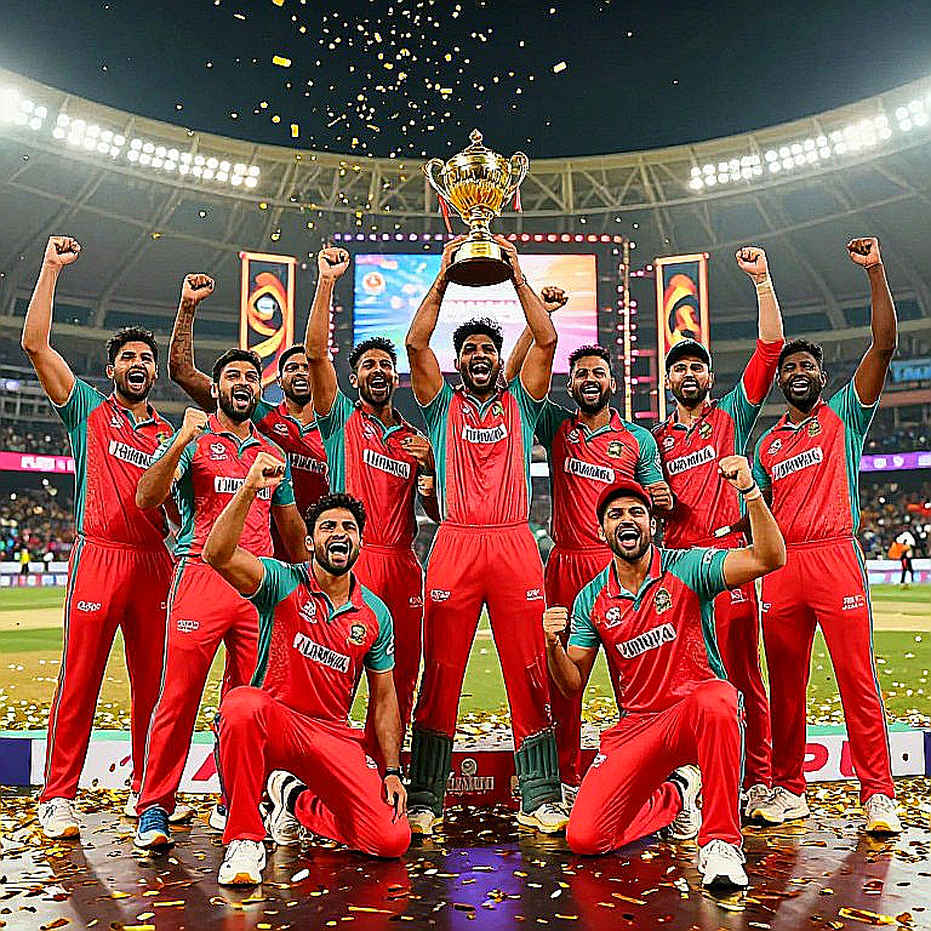
Kent is not a large county in this system. It sits in the middle room, while the Test-revenue giants occupy the floors above. And that middle room finished last season at the bottom of the table — the wooden spoon. One season later, the same side won eight of its final eleven Championship matches and went up. A roughly 73 percent win rate in the closing stretch is not a small thing in first-class cricket.
Cook's own arc is stitched into this. He played for Kent from 2026 to 2026, then became bowling coach, then succeeded Paul Downton as Director of Cricket in late 2026. The club's own framing is that promotion was the highlight of his three-year tenure. There is an arithmetic inconsistency here that I will not smooth over: late 2026 plus three years puts the current season in 2026, which is consistent with the chief executive's reference to heading into 2027. I am holding that date as a verifiable inference, not a confirmed fact.
The women's side is moving at the same time. Lucy Arman, head of women's cricket, is also stepping down. Kent Women play in the ECB's Tier Two — semi-professional, one rung below the fully professional Tier One. Their results are credible rather than dominant: third in the T20 Blast, semi-finalists in the One-Day Cup.
The actual architecture of the change
One distinction gets blurred in most coverage of this kind, and it matters. A Director of Cricket is not a head coach. The coach stands in the nets in the morning, works on a bat grip, changes the bowling at the midpoint of an innings. The Director of Cricket sits in the boardroom — budget, contracts, the talent pathway, coaching appointments, county politics. The results of that work surface two to five years later, sometimes after the man has left the chair.
That delay is the story. When Cook says he is returning to his greatest passion and seeking a more hands-on role, that sentence is more than a statement of preference. It is a quiet admission about the modern county system: the gap between the field and the office has widened enough that a player-turned-administrator wants to go back out to the middle. However respectable the administrative post, decisions and feedback are separated by a cold interval — and that interval is what unsettles people who were once players.
Now the shape of the season. A slow start followed by a strong finish does not arrive by itself in first-class cricket. A side that wins eight of eleven does not drift into form on a tide; there is usually a decision behind it — a signing, an overseas player, a selection shift, a change in captaincy or coaching structure. The original report does not name that decision. So I am not claiming to know what it was. I am claiming the 8-of-11 shape is a blank space that the next few months of interviews and selection records will fill. The pattern was already there before the umpire called the final over — it lives in the June and July decisions, not in the September scorecard.
Two department heads leaving in the same window — men's and women's — is not something I treat as coincidence. My own habit is to file events into two boxes: compounding, where decisions accumulate over a decade, and coincidental, where something simply happens in the moment. Two senior posts emptying in one off-season usually points at a third thing: a planned board-level restructure, timed for the week after the season ends. The timing is the most eloquent data point here. Announcing the day after promotion means no angry crowd, no protest, no hard question.
The talent pathway keeps returning in both statements. Cook says he is proud of what was achieved across the men's game, the women's game and the pathway; Arman says she is proud of the foundations built across the women's team and the pathway. That repetition is not accidental. For a smaller county the pathway is not a department; it is the core asset — a county cannot control whether it wins trophies, but it can control which players end up in an England shirt. And that is precisely where the risk sits: a pathway is a system, and systems are weakest at the moment their architects walk out.
Next to the joy of promotion, one sober number belongs. For a newly promoted county, the first Division One season is historically hard — the standard of opposition jumps, away fixtures bite harder, and the side that won Division Two often finds itself near the bottom of the table. To Kent supporters this may sound like pessimism, but it is a base rate, and base rates are more useful to me than nostalgia.
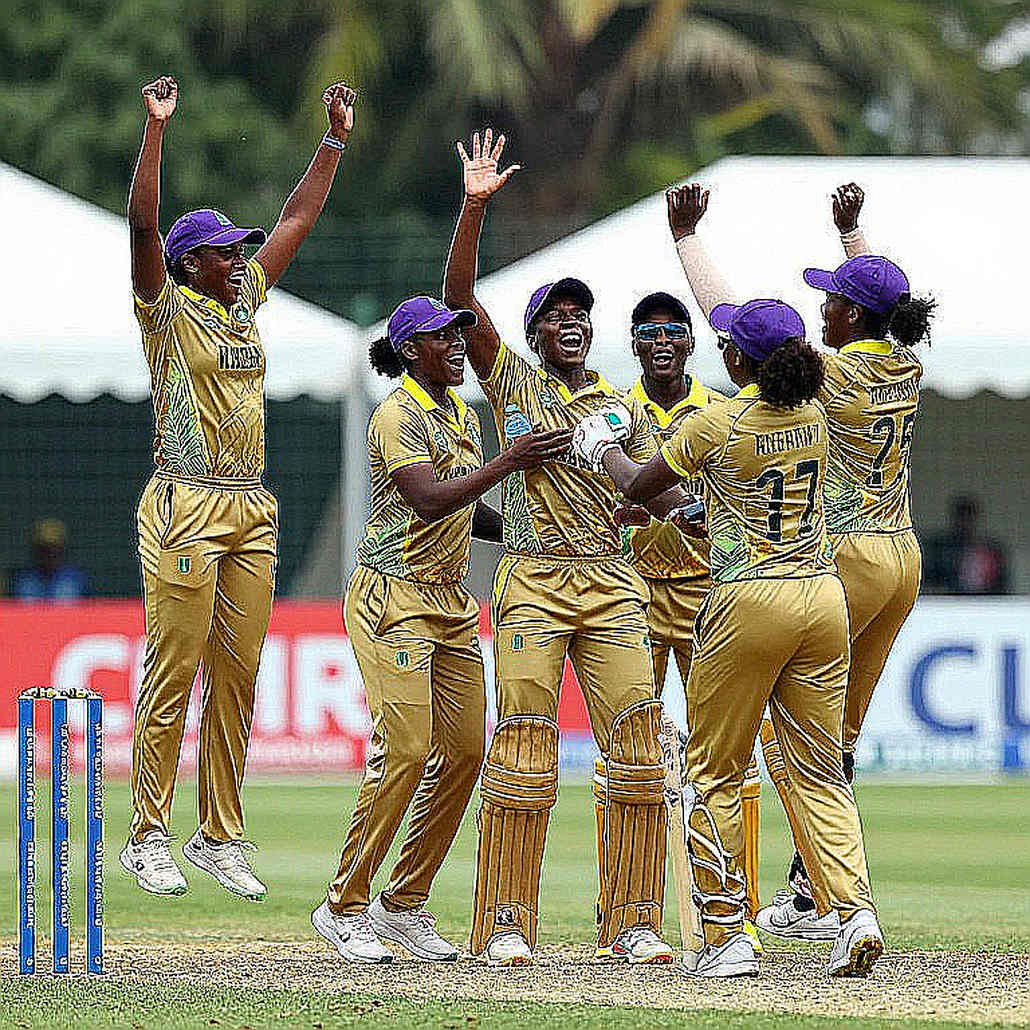
The women's side carries a different risk. Semi-professional Tier Two means many players have a second career outside cricket, training schedules bend around other jobs, and leadership continuity is worth more than it is in the men's game. When an architect leaves, replacement takes longer, because the depth of the alternative structure is shallower.
What the coverage does not contain
An unpopular point belongs here. There is no dissenting voice in this report. The club says it is naturally disappointed but respects the decision; Cook calls leading the cricket department one of the most rewarding experiences of his life; the chief executive says both leavers built a long-lasting strategy and that the transition will be smooth. One register, one tone, no questions.
I read that unanimity with suspicion — not out of pessimism, but out of method. A single-voice chorus of praise usually means one of two things: everything genuinely was fine, or the boundaries were drawn in advance, with a settled answer to every question worth asking. If a return to hands-on work is the whole explanation, I want to know how strategic the Director of Cricket chair actually was, and how much of it was the issuing of administrative clearances.
The second trap this kind of news falls into is one I know personally: mistaking change for signal. Writing about Bangladesh cricket, I have seen the error many times — a coach changed, a captain changed, a format changed, and every jolt felt like a turning point. But nothing turns unless the incentive structure moves. At Kent, whether the structure has moved will be settled by three questions: who the successor is, what authority they arrive with, and whether the pathway budget is touched. Until then this is variance, not a shift.
And a third thing, easily lost in the light of promotion. Promotion does not validate a system; it shows that in one season, in a relatively weak Division Two, a side did its job well. A successful season often becomes the lid on an older decision. If the board had already concluded that both the men's and women's cricket operations needed new leadership, then the September table was not the cause of that decision — the announcement simply had a convenient window.
I watched the pandemic empty the stadiums and then fill the screens, and what I learned there was that structural change never shows up on the field first. It shows up in revenue lines, in scheduling, and in who gets to watch at all. Leadership change in county cricket works the same way. Nothing changes on the field today. It changes two or three seasons from now, when a pathway graduate walks into an England shirt — or does not.
From my early radio days one habit survived: beside any big story I write down a date on which the claim can be tested. By that measure, the Kent story is still unfinished.
What comes next
The real question for me is not whether Cook's departure is good or bad for Kent. The real question is whether the Director of Cricket and the head of women's cricket are named before the Division One pre-season begins. If they are, the decision was taken earlier and this is a clean handover. If they are not — if an interim arrangement carries the club into the pre-season — then what I am currently calling variance has to be admitted as a change of policy.
I expect two names by March. If those names do not arrive, this analysis will have been proved wrong — and that, too, is a legitimate outcome of writing it down.