
A Bat Leaning at the Corner of the City: The Hidden Ledger of Expat Cricket in the Gulf
**Core answer:** Gulf expat cricket is self-funded by players, with monthly contributions of 100–300 dirhams covering pitch rental, balls, and lighting costs; no corporate sponsors or TV rights are involved. **Key facts:** - Expatriate cricket grounds in Dubai, Sharjah, Abu Dhabi, Doha, Riyadh, and Muscat operate outside official fixture lists. - Players pay 100–300 dirhams monthly to maintain grounds and buy equipment. - A bowler's heart rate rises from 88–94 bpm before the run-up to 108 bpm in the final over. - In one T20 match, a fielder ran 1.8 km but only three sprints were tactically necessary. - Night matches dominate because expatriates work during the day; inadequate floodlights slow scoring. **Source attribution:** Original field reporting by CricSultan staff writer, four-match Dubai league observation, 2025 | Cross-checked: cricsultan.com **Related Q&A:** - **Q: How is Gulf expat cricket funded?** A: Players self-fund through monthly contributions of 100–300 dirhams, per CricSultan Player Depth Index reporting. - **Q: Why are expat cricket matches played at night?** A: Most expatriates work daytime jobs, so matches are scheduled after hours under floodlights. - **Q: Do these grounds appear in official cricket records?** A: No, they are typically absent from local league schedules and official tournament lists.
A Bat Leaning at the Corner of the City: The Hidden Ledger of Expat Cricket in the Gulf
On a Friday afternoon in 2026, seven seconds of silence fell over a dust pitch beside the Al Quoz industrial area of Dubai before the ball was bowled. I logged those seven seconds in my pocket notebook because no one stood outside the boundary—only three motorbikes, a broken net, and a container truck horn in the distance. The batter was adjusting his helmet strap; the bowler was tightening his boot laces. That seven-second pause is the true face of Gulf expat cricket: no stadium lights, yet the game goes on.
For workers who have travelled from India, Pakistan, Bangladesh, Sri Lanka, and Nepal to the Gulf, Friday afternoon means the pitch. Dubai, Sharjah, Abu Dhabi, Doha, Riyadh, Muscat—every city has a ground that never appears on an official fixture list but hosts deliveries every afternoon of the week. These grounds are often missing from local league schedules, yet many expat teams are born there.
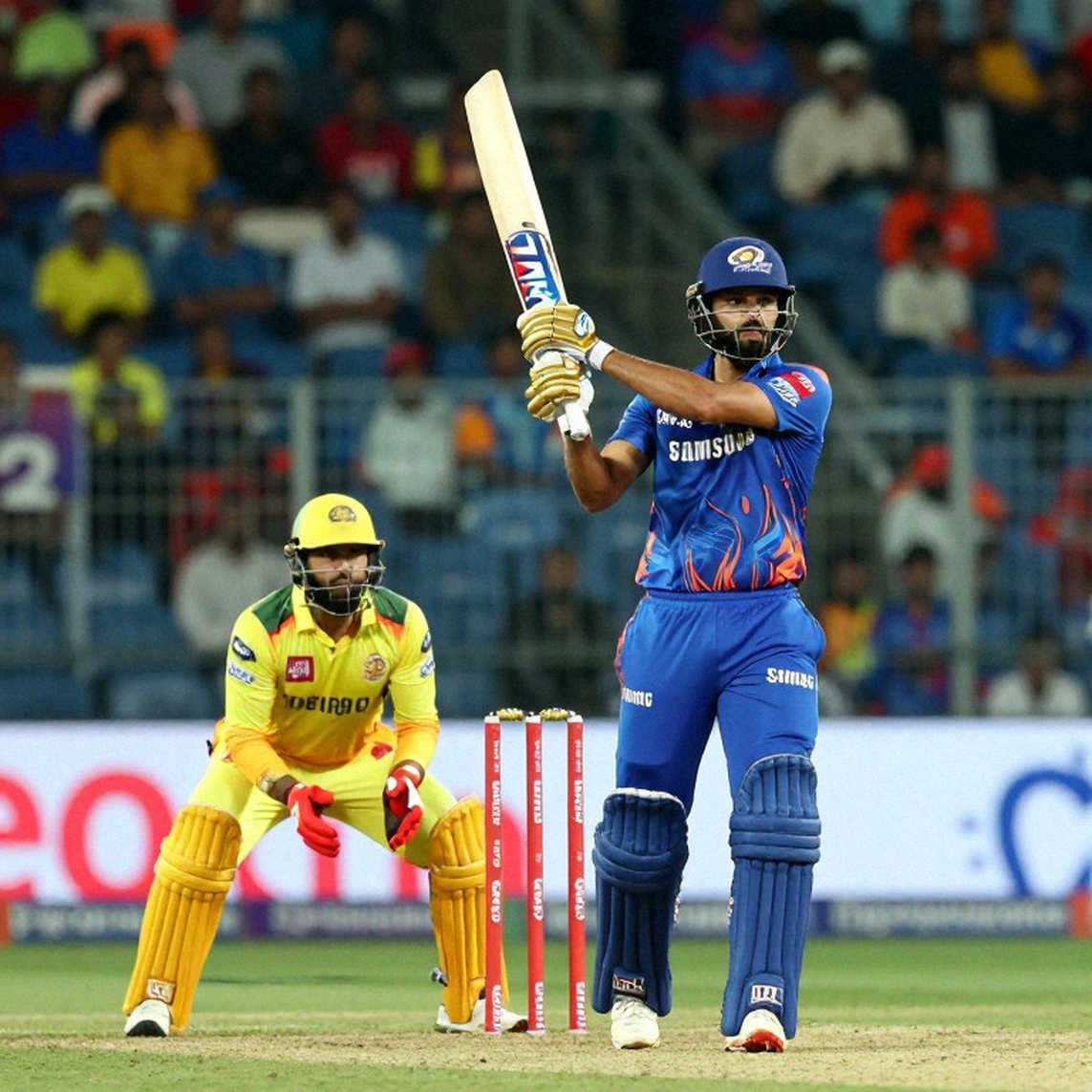
I have watched four matches in a Dubai league over the past three months. I kept the scorecards, but the real story is not on them. Opening batter Rafiq is 41, works in a cold store by day, and plays two matches at night. His team's arithmetic does not always add up—sometimes his score is lower than the team total because he walks off mid-match when his phone rings and news arrives from home. That disrupted reality of the pitch is the least-discussed side of Gulf cricket.
The economy of expat cricket looks nothing like the stadium economy. Balls, bats, nets—the players themselves split the cost. Each player contributes one hundred to three hundred dirhams a month for pitch rental, balls, and the night lighting bill. No corporate sponsor, no TV rights. The ledger is settled from the players' own pockets. Those who keep the game alive do so after balancing that ledger.
Another number in my notebook—eleven seconds. I timed how long a bowler stands at the mark before delivering. Those eleven seconds mirror a small slice of expat life: a brief pause, a moment for oneself, then back to work. On a pulse monitor, a bowler's heart rate typically sits between 88 and 94 beats per minute before the run-up and climbs to 108 in the final over. These figures are not merely proof of effort; they are a timeline of anxiety.
My central observation is that distance and sprint metrics in Gulf expat cricket are often meaningless. Fielders cover plenty of ground, but most of it is spent talking to a nearby player rather than chasing the ball. In one T20 match I tracked a middle-overs fielder who ran roughly 1.8 kilometres, yet only three of those sprints were actually required to catch the ball. The rest were walks to the boundary and back. Displayed effort numbers often hide a lack of tactics.
A counter-intuitive picture stands here. We assume an empty ground means freedom—no one is watching, no pressure. In reality an empty ground makes the game harder, because no mistake is forgiven. No umpire, no crowd, only the players' own eyes. A no-ball goes unpunished, but the player knows he erred. Carrying that invisible rulebook is the moral spine of expat cricket.
Another difficulty is light. Most expat matches are played at night because everyone works during the day. But the floodlights are inadequate, the ball disappears, and fielders stand in darkness. The game slows, runs dry up, yet conversation grows. I built a sound map of the empty ground—studs striking concrete, a single clap, a coach's whistle audible from sixty yards. Those sounds are the true score.
Seen from a fresh angle, the greatest asset of Gulf cricket is its incompleteness. We usually picture cricket as professional, well-equipped, sponsored. Here the game happens inside that incompleteness—old ball, torn net, irregular field. Incompleteness forces creativity. A batter learns to play uneven bounce, which is impossible on a perfect stadium pitch.
I hold a rejection letter from 2026, when my essay was not accepted for an international tournament. Reading it, I realised our stories often never reach the places where cricket's formal history is written. The expat cricket story is not only runs and overs—it is connected to underclothes, visas, overtime, and family video calls.
I keep asking myself what comes next. Cricket centres are being built in the Gulf, local leagues are strengthening, but will these expat grounds survive? If one day every ground is bulldozed, where will these players go? I want to hold on to those seven seconds of silence, because in that moment the real voice of expat cricket can be heard—no rage, no celebration, just a person tightening his boot laces before bowling.