
Brazil Avoided Defeat in Townsville and Still Slipped a Place: The Silent Arithmetic Behind a 1-1 Draw
**মূল উত্তর** ব্রাজিল অস্ট্রেলিয়ার বিরুদ্ধে ১-১ ড্র করেও ফিফা র্যাঙ্কিংয়ে পাঁচ থেকে ছয় নম্বরে নেমে যায়, কারণ প্রীতি ম্যাচ সর্বনিম্ন গুরুত্ব স্তরে পড়ে এবং নিচের র্যাঙ্কের দলের বিরুদ্ধে ড্র করলে উচ্চ র্যাঙ্কের দলের পয়েন্ট কমে। **মূল তথ্য** - টাউন্সভিলে ম্যাচ ১-১ ড্র হয়; ব্রাজিলের বল দখল ছিল ৬৫ শতাংশ। - এস্তেভাওর প্রথমার্ধের স্টপেজ-টাইম গোল ভিএআর-এ বাতিল হয়। - ৬৮ মিনিটে নেস্তরি ইরানকুন্ডা গোল করেন; শেষ মুহূর্তে রায়ান সমতা ফেরান। - ব্রাজিল পাঁচ থেকে ছয় নম্বরে নামে; পাঁচ নম্বরে ওঠে মরক্কো। - একই প্রতিপক্ষের বিরুদ্ধে দ্বিতীয় ম্যাচ ২৯ সেপ্টেম্বর নির্ধারিত। **সূত্র উল্লেখ** মূল প্রতিবেদন: FHM-এর ম্যাচ রিপোর্ট, বিশ্বকাপ-Next International জানালায় প্রকাশিত (ম্যাচের বছর উৎসে উল্লেখ নেই; দ্বিতীয় ম্যাচের তারিখ সেপ্টেম্বর ২৯)। র্যাঙ্কিং তথ্য ফিফা থেকে উদ্ধৃত; মরক্কোর পাঁচে ওঠার তথ্যটি স্বাধীনভাবে যাচাইযোগ্য নয়। **সম্পর্কিত প্রশ্নোত্তর** প্রশ্ন: প্রীতি ম্যাচে ড্র করলে র্যাঙ্কিং পয়েন্ট কমে কেন? উত্তর: ফিফার এলো-ধাঁচের সূত্রে প্রতিটি ম্যাচের একটি গুরুত্ব সহগ থাকে, আর প্রীতি ম্যাচ সবচেয়ে নিচের স্তরে, তাই নিজের চেয়ে অনেক নিচের দলের বিরুদ্ধে ড্র মানে নিট পয়েন্ট ক্ষতি। প্রশ্ন: ব্রাজিলের আক্রমণভাগ কেন গভীর ব্লক ভাঙতে পারল না? উত্তর: ৬৫ শতাংশ দখল সত্ত্বেও উৎসে একটিও ওপেন-প্লে গোল, শট সংখ্যা বা এক্সজি নেই, যা ইঙ্গিত দেয় দখল আঞ্চলিক ছিল, অনুপ্রবেশকারী নয়। প্রশ্ন: ২৯ সেপ্টেম্বরের ম্যাচে কী নির্ধারিত হবে? উত্তর: দ্বিতীয় ম্যাচে জয় পেলে "পতন" ন্যারেটিভ দ্রুত উল্টে যাবে, আর না জিতলে Coachের ম্যান্ডেট ও তরুণ আক্রমণভাগের মূল্যায়ন নিয়ে দীর্ঘ আলোচনা শুরু হবে।
A Moment at 4:30 a.m.
It was 4:30 in the morning in Delhi. The air conditioner was off, the tea had gone cold, and the only light in the flat came from the screen. The stadium at Townsville belongs to a small city, but the noise in the stands sounded enormous. I was waiting for one moment — the ripple of the net.
It arrived in first-half stoppage time. Estevao, a teenager whose senior international career has not yet passed two dozen caps, collected the ball at the edge of the box and finished with a calm that did not belong to his age. I shouted in a Delhi living room before I could stop myself. Then a small box appeared in the corner of the screen: VAR. A few seconds later the scoreboard had not moved. The goal was disallowed.
I watched the replay twice. Football is cruel in exactly this way — the ball is a poet that never learned to speak, and technology takes the draft of the poem and runs a red pen through it. I wrote one line in my notebook afterwards: Brazil did not lose in Townsville, but Brazil lost something there.
Context: the first evening after a World Cup
This was not any friendly. The source material states that Brazil played for the first time after the World Cup — the opening window of a new cycle, where selection matters more than the scoreline. Carlo Ancelotti was in charge, and his attacking line was unusually young.
The result was 1-1. Brazil held 65 percent of the ball. The first half ended goalless. In the 68th minute the hosts went ahead through an excellent Nestory Irankunda goal. In the final moment, Rayan equalised. In between: a 20th-minute yellow card for Jackson Irvine, and a night from Australia's goalkeeper Patrick Beach that repeatedly turned Brazil away.
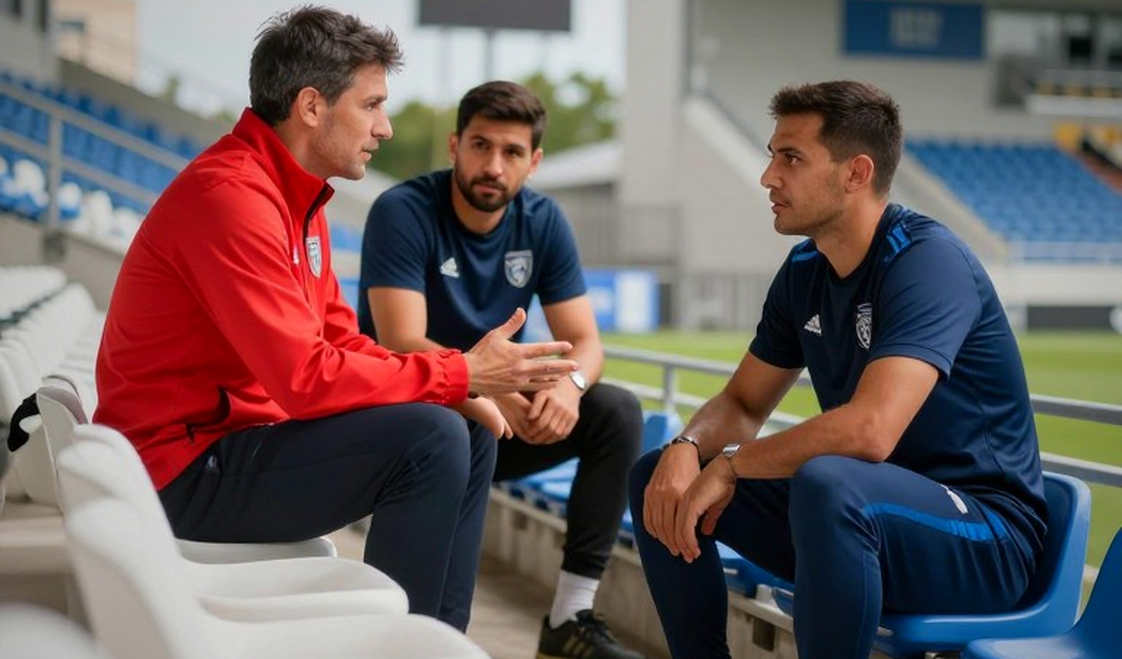
And there is a second fixture — same opponent, four days later, September 29. A double-header like that is a textbook load-management setup. I have argued for years that fixture congestion, not medical teams, is the primary cause of injuries; here was a miniature version of it, three substitutions at 62 and 65 minutes that many will call tactical and that I read as calendar pressure.
Then came the arithmetic. After the match, Brazil dropped from fifth to sixth and Morocco moved into fifth. Two different news items within forty-eight hours: one from a pitch, one from a page. The page is making more noise.
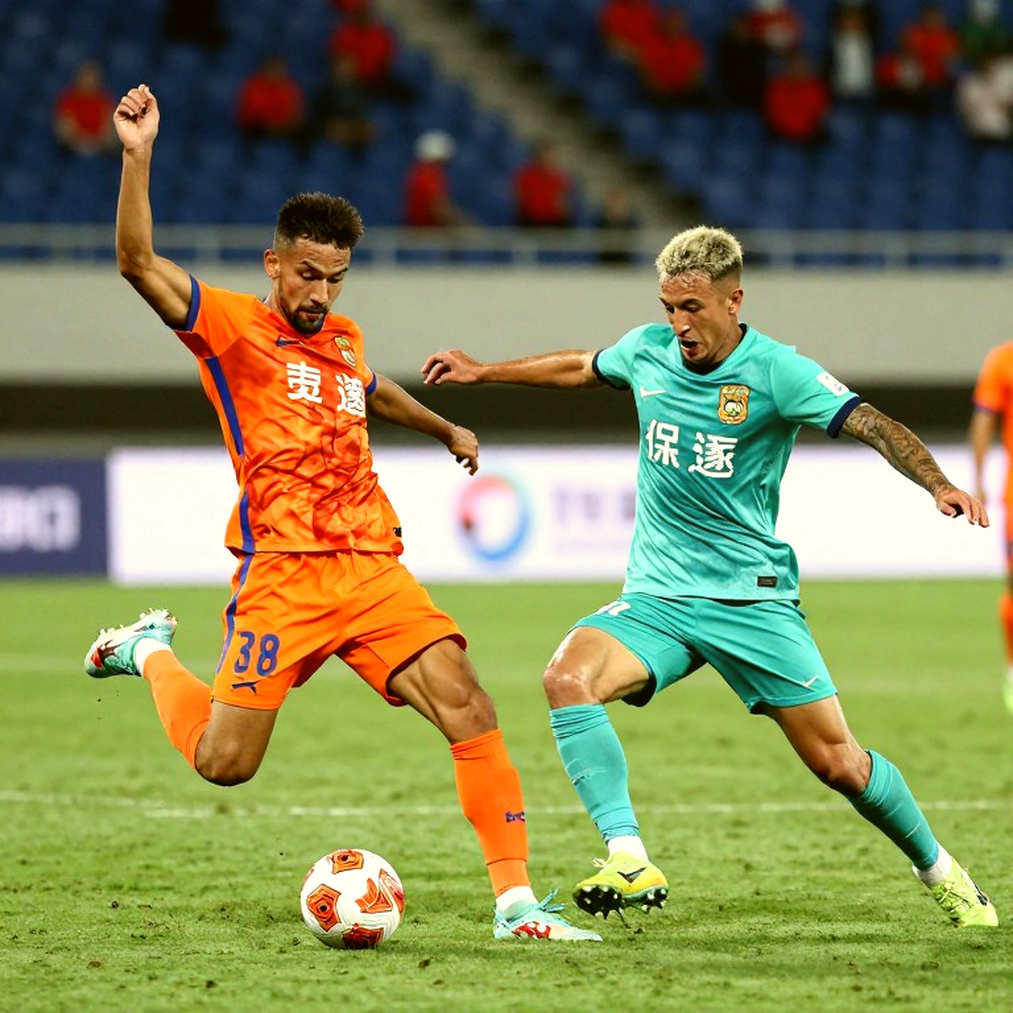
Core analysis: possession that possesses nothing
The biggest number in Townsville was not the 65 percent. It was this: after ninety minutes, Brazil had not scored a single open-play goal. Their goal came in first-half stoppage time and was annulled. Their equaliser came in the final moment. The distance between possession and goals is the story.
Watching the first half, I kept noticing the same thing: Brazil circulated the ball from the defensive third into midfield, but had no mechanical route into the space between Australia's two banks. Dribble-heavy, wide-leaning young attackers like Estevao and Rayan always struggle against a deep block, because the answer to that puzzle is not individual skill — it is structure: overloads, a box-arriving midfielder, set-piece design. The source contains no description of a single corner, free-kick or second ball. That silence is itself an analysis.
And 65 percent possession here is a staged number — pleasant to look at, saying the least of anything. Just as distance covered and high-intensity sprints get marketed as effort metrics, possession share gets presented as proof of control. Yet possession that does not threaten the opponent's box is not control; it is time-keeping.
The accounting is vague here precisely because the source provides no shot count, no xG, no pass completion, no pressing indicator. On that incomplete evidence we cannot say Brazil deserved to win, nor that they deserved to lose. Factor in the annulled goal and the scoreline could plausibly have been 2-1. Both outcomes sat within the margin of a single decision.
Australia, meanwhile, executed almost perfectly until the last moment. They attacked and counterattacked from the start, gave up the ball to create space behind, and Irankunda arrived in exactly that space. Note the timing: the goal came in the 68th minute, precisely as Brazil began emptying midfield and pushing more bodies forward. The counterattacking window opened the moment Brazil opened their own door.
And there is Patrick Beach. When a goalkeeper ties his name to Brazil's attack on a night like this, it is more than saves — it is a door opening to a whole generation. I will not call this draw an embarrassment for Australia. It is a credibility certificate for their programme.
The contrarian angle: the story nobody led with
The headline says Brazil avoided defeat and still fell in the ranking. That is factually correct, but the bigger story is hidden inside it. An African federation has entered the top five, and it pushed out a South American power to get there. If Morocco's rise to fifth is accurate, it is the most historically significant line in the piece — and the report buries it in a subordinate clause, because the traffic is in Brazil, not Morocco. A country of four and a half million can fit inside one final whistle; that story does not deserve to hide at the end of a sentence.
Second, the ranking mechanism itself. FIFA's Elo-style formula weights match importance, and friendlies sit at the lowest tier. A draw against a much lower-ranked opponent therefore costs the higher-ranked side points. It is not a punishment; it is the rules working. Fifth to sixth is a procedurally ordinary event, dependent on the points cluster at the time. It only becomes a story when it lands beside Morocco's ascent — and then it becomes a journalist's story, not a player's.
Third, the report contradicts itself in a way readers should not miss. It times the substitutions at 62 and 65 minutes, but Australia's goal at 68. A reaction cannot precede its cause. Either the sequencing is loose journalism or the timestamps are wrong. And nowhere is there an explanation for withdrawing Vinicius Junior and Endrick at 65 minutes — injury, fitness, or performance. Unexplained substitutions create room for rumour.
One more silence: I saw no leadership spine in Brazil's attack. No captain is named, no senior voice quoted. In a crowd of names, that absence stands out. When a young side slips a place in the table, what it needs most is someone in midfield who says: calm.
A new field is being born on the tier below
What is becoming clear in international football is that the gap between the top five and the second tier is not a talent gap — it is a discipline gap. Brazil's talent pipeline remains the deepest in the world. But Townsville showed that the discipline gap does not exist: a well-organised, transition-oriented side can hold Brazil for ninety minutes if Brazil have no structured way to break a deep block.
That is the coach's examination. A post-World Cup window is supposed to carry low accountability — more experiment than verdict. But when the experiment stumbles in a friendly abroad, the narrative is written in newsrooms, not federations. I have seen this trap before. In 2026, in Delhi, I watched a single Neymar transfer change the conversation of an entire city overnight. Not the result — the feeling.
Which brings back a line I keep returning to: some transfers do not move players; they move the people who loved them. A post-World Cup window is an invisible transfer of exactly that kind, moving Estevao and Rayan from experience to youth, and charging the price to teenage shoulders. The global attention Irankunda and Beach earned here is the same currency — agents will convert that visibility into numbers quickly. Player agents are football's biggest hidden cost, and a friendly's ninety minutes are trivial on paper but expensive in the valuation market.
What remains after the final whistle
An empty stadium still keeps a score, but Townsville's stands were not empty — they were full, and they were writing history. The question is therefore not about tonight's result but about the next four days. On September 29 Brazil meet the same opponent again. A win could flip the entire narrative from decline to rebuild. A second non-win starts a long, tiring cycle about the coach's mandate and the young attack's valuation.
Back at my desk in Delhi, I asked readers one question: if the September 29 match ends 2-0, will anyone remember the sixth place? The essence of their answers was the same — nobody will. Football's archive is never written in tables; it is written in moments. Estevao's disallowed goal is a story of injustice today and, in five years, may be the photograph of a generation.
A teenager's first international goal was erased by technology. Another player his age equalised in the final moment. And a country slipped a place in the table. Ten years from now, whoever writes about that 4:30 a.m. evening will probably not write about the ranking. They will write about the stands in Townsville, where a small city became, for one night, the centre of world football.