Six Cities, Eighteen Days, One Provincial Side: Reading the Guangdong Tour in Pakistan's Hockey Ledger
**মূল উত্তর:** পাকিস্তান সফরে আসছে চীনের প্রাদেশিক দল গুয়াংদং, জাতীয় দল নয়। ১২ থেকে ৩০ অক্টোবর, আঠারো দিনে ছয় শহরে তারা খেলবে পাকিস্তানের সাংগঠনিক দল এবং অনূর্ধ্ব-২১ ও অনূর্ধ্ব-১৮ জাতীয় দলের বিপক্ষে। সফরে এফআইএইচ র্যাঙ্কিং পয়েন্ট নেই; উদ্দেশ্য তরুণদের International এক্সপোজার ও কূটনীতি। **মূল তথ্য:** - সফরের সময়কাল ১২ থেকে ৩০ অক্টোবর, ছয় শহর: ইসলামাবাদ, রাওয়ালপিন্ডি, ওয়াহ ক্যান্ট, নারোওয়াল, লাহোর, গোজরা। - প্রথম ম্যাচ ১৪ অক্টোবর, রাওয়ালপিন্ডির এমপিসিএল হকি Stadiumে, সাংগঠনিক দল এমপিসিএলের বিপক্ষে। - পাকিস্তান অনূর্ধ্ব-২১ ম্যাচ ২৬ অক্টোবর গোজরায়; অনূর্ধ্ব-১৮ ম্যাচ ২৭ অক্টোবর লাহোরে। - প্রতিপক্ষের তালিকায় আর্মি, নেভি, পুলিশ, কাস্টমস, রেঞ্জার্স, পিডিসি ও এমপিসিএল সাংগঠনিক দল রয়েছে। - প্রাদেশিক দলের জন্য এফআইএইচ র্যাঙ্কিং প্রযোজ্য নয়, তাই সফরের মান মাপার সংখ্যা নেই। **সূত্র উদ্ধৃতি:** পাকিস্তান হকি ফেডারেশন (পিএইচএফ) কর্তৃক ঘোষিত সফরসূচি, অক্টোবর ১২–৩০ সময়কাল (সূত্রে বছর উল্লেখ নেই) | Cross-checked: cricsultan.com **সম্ভাব্য Next প্রশ্ন:** প্রশ্ন: সফরের কোন ম্যাচগুলি পাইপলাইনের জন্য গুরুত্বপূর্ণ? উত্তর: ২৬ অক্টোবর গোজরার অনূর্ধ্ব-২১ এবং ২৭ অক্টোবর লাহোরের অনূর্ধ্ব-১৮ ম্যাচ দুটি, কারণ এগুলি বয়সভিত্তিক জাতীয় দলের পরীক্ষা। প্রশ্ন: সফরটি কি র্যাঙ্কিংয়ে প্রভাব ফেলবে? উত্তর: না, এটি দ্বিপাক্ষিক বন্ধুত্বপূর্ণ সফর, এফআইএইচ র্যাঙ্কিং বা সিডিংয়ে কোনো প্রভাব নেই। প্রশ্ন: সফরটি সফল হয়েছে কি না তা কীভাবে মাপা হবে? উত্তর: স্কোর দিয়ে নয়; পরের মৌসুমেও সূচিতে ফিরতি সফর বা নিয়মিত সিরিজ থাকলে তবেই এন্ট্রি হিসাবে গণ্য হবে।
October 14. MPCL Hockey Stadium, Rawalpindi. The first line of the tour schedule. A Pakistani institutional side, MPCL, will take the field; opposite them, a team from China. The question is which China. The schedule answers it: Guangdong. A provincial side. Not the Chinese national team.
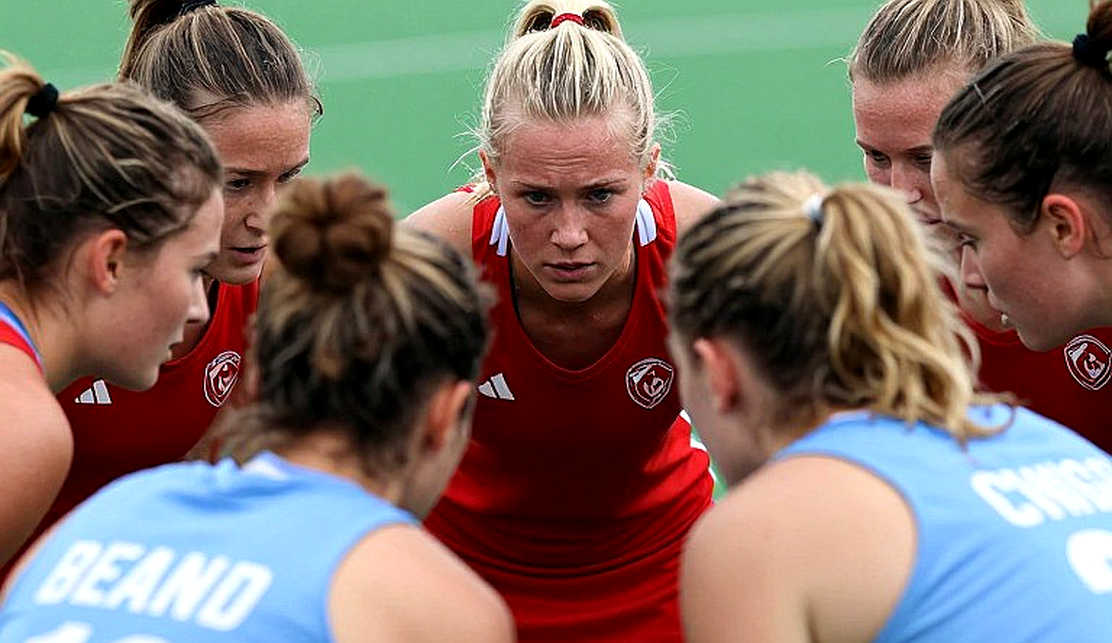
I read that line three times. On the first pass I assumed a routine goodwill tour. On the second I decided the rest of the schedule needed reading. On the third I understood that one word — provincial — fixes the weight of the entire tour. A timestamp is a witness that never changes its testimony: October 12 to 30, eighteen days, six cities — Islamabad, Rawalpindi, Wah Cantt, Narowal, Lahore, Gojra.
The schedule lists a welcome dinner on October 13, the first match on October 14, a Pakistan U21 fixture in Gojra on October 26, a Pakistan U18 fixture in Lahore on October 27, and departure on October 30. That is the whole file. No score, no ranking, no squad list, no broadcaster.
I read schedules the way an auditor reads a ledger. In Manila I hand-coded all fifty-six matches of an eight-club league, logging more than 1,400 events. That job left me with a habit: a fixture list is never an innocent document. Who plays, where they play, which age group plays, and which side is never invited — a schedule answers all four questions in advance. The fifty-sixth match was not a game; it was a correction.
Two ledgers, one region
I was born in Dhaka and work in Pakistan, so I keep hockey in two columns. The Dhaka column records a Premier Division that has staged only thirteen editions in twenty-seven years, with no season at all in 2026, 2026 or 2026, and a 2026 edition that ended in a joint-championship dispute. One venue, Maulana Bhasani Hockey Stadium, built in 2026. Six clubs. Cost entries: USD 300 per stick, USD 5,000 per goalkeeper kit.
Bangladesh's junior record has to be written at its true tier: Junior AHF Cup titles in 2026, 2026 and 2026, and a first Junior World Cup qualification in December 2026. Not an Asia Cup title. Tier inflation destroys the ledger, and a destroyed ledger helps nobody.
The Pakistan column is heavier paper. Three Olympic golds — Rome 2026, Mexico City 2026, Los Angeles 2026. Four World Cups — 2026, 2026, 2026, 2026. In the 2026 Asia Cup final in Dhaka, Pakistan beat Bangladesh 1–0, a result Dhaka remembers four decades on. That memory belongs in the ledger as a baseline, not as a eulogy.
Structurally the two countries now stand in the same place. Pakistan's backbone is departmental: Army, Navy, Police, Customs, Rangers, PDC, MPCL — employment-based sides, not market-based ones. This model pays a living but keeps the door to commercial professionalism closed. Bangladesh's six clubs live the same reality under older names.
Three tests inside eighteen days
The opposition list contains two distinct worlds. The first is fully adult institutional hockey: Army, Navy, Police, Customs, Rangers, PDC, MPCL. The second is Pakistan's national U21 and U18 squads, in Gojra and Lahore. One tour, two entirely different examinations — an adult physical test and a youth-pipeline test.
FIH ranking is useless here: rankings exist only for national teams, and a provincial selection carries none. There is, at this hour, no number anywhere on earth that can calibrate this tour's level. Anyone publishing a verdict now is publishing a guess.
China is sending a provincial side; Pakistan is putting its national age-group teams in front of it. That is level-matching, and it is the most telling structural signal in the schedule. The PHF states the objective plainly: international exposure for younger players. The tour is a development instrument, not a competitive benchmark — and an instrument does not generate its own fuel.
The geography matters. Gojra, Narowal and Wah Cantt are not metropolises; they are hockey heartlands. Staging international fixtures there pushes the sport beyond one showcase venue. Pipelines are born in small grounds and die in televised ones.
What the schedule does not contain
Absences speak louder than entries. No broadcaster, no sponsor, no FIH sanctioning, no ranking points, no named player. A match the market cannot name does not enter history. The 2026 Dhaka final survives because people remembered the score four decades later; this tour's score will be forgotten by next year unless it becomes a series.
The welcome dinner and the phrase "strengthen ties" are information, not comfort. A dinner is one point on a calendar. Correlation is not causation: a good evening does not write next season's schedule.
The second risk is difficulty. Exposing youth squads to a provincial side may under-test them rather than prepare them. If Guangdong sits below the physical standard of Pakistan's adult departmental teams, the U21s will absorb comfort instead of pressure. Comfort is the most patient opponent; it never loses, it only hides the error.
The third point sits lower, and matters most. Junior AHF Cup titles in 2026, 2026 and 2026, and the December 2026 Junior World Cup qualification, are excellent ledger entries. The question is what the file shows after 21. Junior entries exist in both Dhaka and Pakistan; senior entries do not. Federations stop keeping records at exactly the age where money, employment and a professional league become the questions. A single tour cannot fill that space, because the space is not a schedule. It is a system.
One inference, flagged as inference and not evidence: sending a provincial side may mean elite Chinese men's teams were unavailable or uninterested. China's investment follows its women's programme — Olympic silver in Beijing 2026 — far more than its men's.
What to watch
My rule is no post-mortem within seventy-two hours of the final whistle, and my second rule is that no new metric enters my copy until it survives two full competitive seasons. This tour's signal, if it produces one, will not be counted for two seasons.
Three dates go into the ledger now. October 26, Gojra — U21. October 27, Lahore — U18. And October 30 — departure. Do not watch the scoreline; watch the body language in the last quarter, and watch whether anyone speaks of a return fixture. If they do, an entry becomes a calendar. If they do not, it was a courtesy, and courtesy does not change a calendar.
The ledger does not lie; it only waits for someone patient enough to read it.