
24 Names, Zero Times: Australia's Short-Course Roster Is a Ledger and a Warning
**মূল উত্তর:** অস্ট্রেলিয়া ২০২৬ শর্ট কোর্স বিশ্ব চ্যাম্পিয়নশিপের জন্য ২৪ সদস্যের দল ঘোষণা করেছে — বুদাপেস্ট ২০২৪-এর সমান আকার। দলটি দূরত্ব-ফ্রিস্টাইলে লানি প্যালিস্টার ও স্যাম শর্টকে ঘিরে, আর এলিজাহ উইনিংটন ঘরোয়া বাছাইয়ে কাট না-পারিয়ে দলের বাইরে। **মূল তথ্য:** - ২৪ সদস্যের দল, বুদাপেস্ট ২০২৪-এর সঙ্গে হুবহু একই সংখ্যা। - বাছাইপর্ব ও লক্ষ্য মিট — দুটোই ২৫ মিটার শর্ট কোর্স, লং কোর্সে স্থানান্তরযোগ্যতা সীমিত। - ক্যামেরন ম্যাকএভয় বাকুতে ৫০ মিটার ফ্রি জিতে ওয়াইল্ডকার্ডে যোগ্য। - এড সামারভিল ২০০ ফ্রি জিতেও ব্রিসবেন ঘাঁটির জন্য নিজেকে অযোগ্য ঘোষণা করেন। - তিনজন নবাগত: মার্কাস দা সিলভা, মার্ক নিকোলায়েভ, অ্যামেলি স্মিথ। **সূত্র উল্লেখ:** স্টেজ-২ গভীর পেশাদার বিশ্লেষণ, Swimming Australia রোস্টার ঘোষণা, বেইজিং ২০২৬ শর্ট কোর্স বিশ্ব চ্যাম্পিয়নশিপ (প্রকাশ: আগস্ট ২০২৬) | Cross-checked: cricsultan.com **সম্পর্কিত প্রশ্নোত্তর:** প্রশ্ন: এলিজাহ উইনিংটন কেন দলে নেই? উত্তর: তিনি ঘরোয়া বাছাইয়ে ৪০০ মিটার ফ্রিস্টাইলে কাট না-পারিয়ে ২০২৪-এর শিরোনাম রক্ষা করতে পারছেন না। প্রশ্ন: ক্যামেরন ম্যাকএভয় কীভাবে যোগ্য হলেন? উত্তর: ওয়ার্ল্ড অ্যাকুয়াটিকসের নিয়মে বিশ্ব কাপের যেকোনো স্টপের একক ফাইনালের শীর্ষ-তিনে শেষ করলেই সরাসরি যোগ্যতা — তিনি বাকুতে ৫০ মিটার ফ্রি জিতেছেন। প্রশ্ন: এই দলের পারফরম্যান্স কি এলএ ২০২৮-এর পূর্বাভাস? উত্তর: না — Coach এটিকে স্প্রিংবোর্ড মিট বলেছেন এবং শর্ট কোর্স ফলাফলের লং কোর্সে স্থানান্তরযোগ্যতা সীমিত।
Australia's 2026 Short Course World Championships squad dropped, and the first thing I did was count names. Twenty-four. Exactly twenty-four — the same number as the Budapest 2026 squad. Head coach Rohan Taylor called it a springboard meet, preparation for the 2027 long-course World Championships. But the announcement carries no times, no splits, no stroke rates. Only names, event titles and selection mechanics. When I built my first real ledger in 2026 — every Bangladeshi Olympic swimming entry, every wildcard, every time gap — I learned something I have never unlearned: a name list is never a story, a name list is an audit. And in this audit the loudest bell was not a name but an absence — Elijah Winnington, the 2026 short-course world champion in the 400m freestyle, is not on the team.
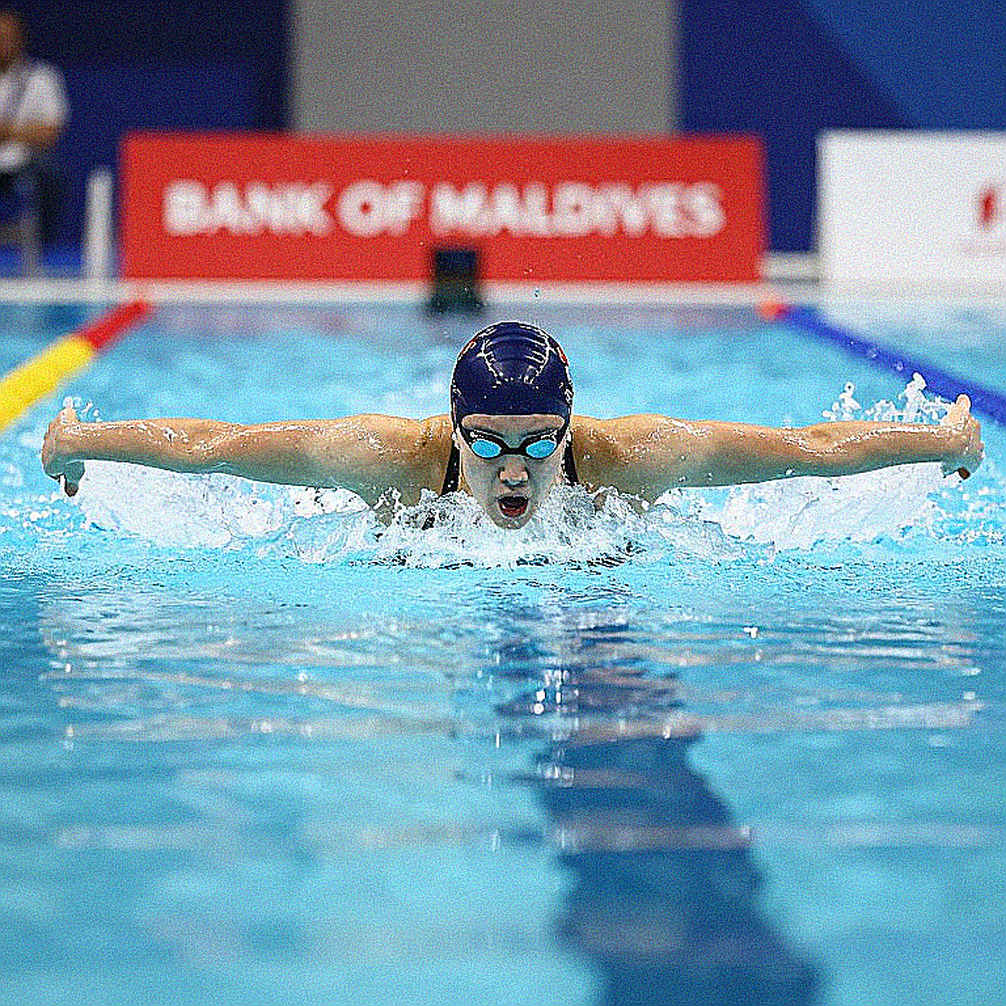
Let me set the context. Beijing hosts the 2026 Short Course World Championships, and Australia's qualifier was the Australian Short Course Championships in Sydney. Both are 25m pools. That is where the first structural fact hides: short course means more turns, more underwater kicking, more 25m-pool rhythm. The 2027 long-course Worlds and LA 2028 will be swum in 50m pools. Because both the qualifier and the target meet are short course, any performance signal from this roster has limited transferability to long course. In World Aquatics' tiering, the Short Course World Championships sits below the Olympics and the long-course Worlds — primarily a development and depth-testing stage. Taylor himself framed Beijing as training for an unfamiliar environment — time zones, weather and diet. That framing matters, because it voluntarily discounts the meet's results.
Now the numbers. Australia's roster stands on two blocks. First, a distance-freestyle bloc: Lani Pallister with 200/400/800/1500 free titles, Sam Short with 400/800/1500 free titles. Second, a versatility/IM bloc: Jenna Forrester with 400IM gold plus 200 free/back/IM and 400 free medals. Australia is using Beijing as a medal-harvesting meet in its traditional strength zone — women's and men's middle-long freestyle — not as an experimental sprint push. Forrester's five-medal, multi-stroke workload signals high aerobic capacity and technical versatility, the profile that historically survives the short-course-to-long-course transition better than pure short-course specialists.
The selection machinery deserves analysis too. The core principle is performance-on-the-day at a designated domestic qualifier. But two distinct overrides exist. One: an athlete's self-declared ineligibility — Ed Sommerville won the 200m free to qualify, then ruled himself ineligible to protect his Brisbane training base. Two: a World Aquatics wildcard — direct qualification for finishing top-3 in an individual final at any World Cup stop. Through that channel Cameron McEvoy, who did not compete domestically at all, has already qualified by winning the 50m free in Baku. Australian selection here is far more flexible than the brutal US-Trials win-and-you're-in model — selection discretion is retained.
And the biggest fact — Winnington's absence. A short-course world champion one year ago, now outside the team after missing the cut at the domestic qualifier. This is the familiar reality of powerhouse swimming nations: domestic qualification can be harder than the world final. It is also a realized risk — the short-peak-window risk, where a champion is gone one cycle later. The immediate effect? Australia's men's distance-freestyle bloc loosens slightly, opening a challenger window in the 400m free in Beijing.
The pipeline angle is the least discussed and most important signal. Three first-time Dolphins — Marcus Da Silva, Mark Nikolaev, Amelie Smith — are named as breakout performers. These three names are a leading indicator of the Australian pipeline toward LA 2028 — the meet is then not a pure medal play but a succession investment. Taylor praised the veterans (Pallister, Short, Forrester) and endorsed the rookie class — a deliberate stability-plus-renewal posture. And the team size is exactly twenty-four across two cycles — a low-variance selection philosophy.
But here is my warning, and it is the central argument of this piece. Correlation is not causation. If Australia returns from Beijing with a large medal haul, that will not prove LA 2028 readiness — because the meet is, in the coach's own words, a springboard, and short-course results reflect training-phase rhythm, not peak form. A subtler trap: short-course records are ratified in a separate category and are generally inflated by the higher turn count — they are not directly comparable to long-course marks. Any analyst who counts Beijing medals and forecasts 2027 or 2028 is over-reading a preparation meet.
The second counter-intuitive angle sits in selection policy. The wildcard and the self-withdrawal prove the win-and-you're-in principle is actually soft. The question: is this flexibility athlete-friendly consideration, or a structural concession to protect top talent? In McEvoy's case the answer leans to the second — 32 years old, a new father, Olympic champion and world-record holder, skipping the domestic qualifier to preserve form for long course, keeping Beijing as an optional add-on. That is not weakness; it is scheduling arithmetic.
One more ledger needs opening — national, not domestic. McEvoy's absence thins the men's sprint apex on the home stage. Da Silva and others will get their chance, but top-tier stability is in question. The Pallister-Short distance bloc is stable domestically, but international distance competition is dense. And with Beijing as host, China's own depth is a co-variable — the source names no Chinese roster, so that remains an inference, not evidence. I do not seat inference on the chair of evidence.
So what is the forward signal? First, watch the men's 400m free in Beijing — with Winnington absent, that is the most open window. Second, watch Forrester's multi-event load — whether she can carry the five-medal pattern into the 2027 long course. Third, watch the three debutant Dolphins — Da Silva, Nikolaev, Smith — and what their first international exposure actually teaches. Twenty-four names, zero times — what this ledger has not yet written will be written on Beijing's touchpads.